
Matte, Satin, or Gloss Leather Finish: How to Choose the Right Top Coat
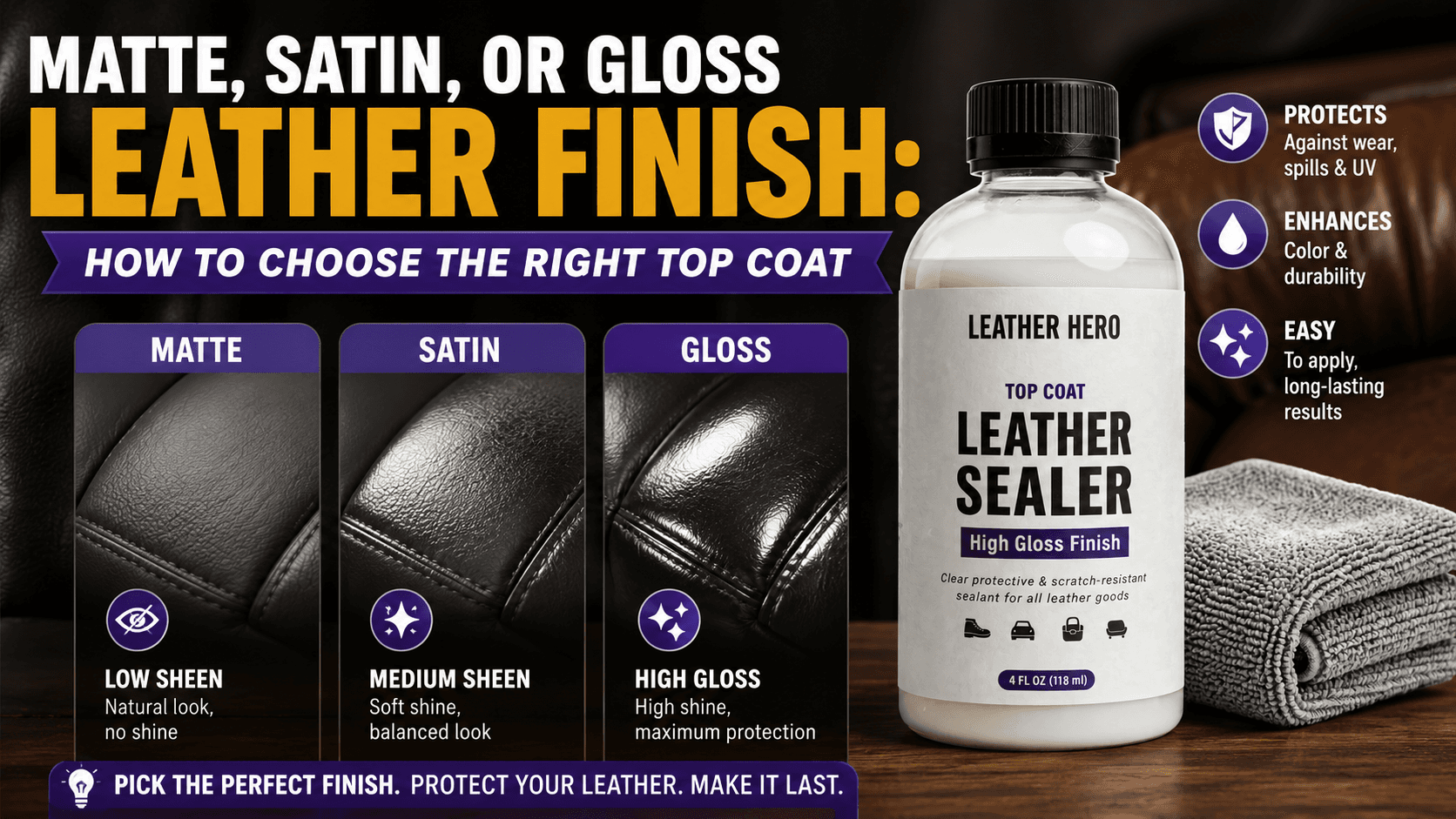
The final finish can change the whole personality of a leather restoration project. The same black leather can look modern and understated with a matte finish, natural and balanced with satin, or polished and formal with gloss. That choice affects appearance, but it also affects how visible marks, texture, and future wear may look.
Choosing a top coat is not only a style decision. It should match the leather item, the original sheen, the amount of use, and the type of restoration underneath. A couch arm, a steering wheel, a dress shoe, and a handbag handle all experience friction differently, so the right finish is the one that looks correct and supports the way the item is used.
Matte top coat gives a low-shine look that suits many modern couches, car interiors, jackets, and subtle restoration projects.
Satin is the most versatile finish because it adds a soft natural sheen without looking too flat or too glossy.
Gloss works best on polished shoes, dress accessories, and leather that originally had a brighter finish.
Always test the top coat after color restoration because sheen can change how dark, smooth, or formal the leather appears.
Restoration Flow
Match original sheen
Consider daily friction
Test in hidden light
Apply thin protection
Why the Final Finish Matters
After cleaning or recoloring leather, the surface may look unfinished until the sheen is balanced. A top coat can help protect the restored color and bring the appearance closer to the original leather. Without that final decision, a repaired area may look too dull, too shiny, or inconsistent next to surrounding panels.
Finish also affects perception. Matte leather can look softer and more modern. Satin can look natural and well maintained. Gloss can look dressier and more polished. None is automatically better. The right choice depends on the item and the look it had before damage, fading, or restoration.
When to Choose Matte
Matte finish is best when you want low shine. It suits many car interiors, contemporary furniture pieces, jackets, and restored leather where you do not want the repair to attract attention. Matte can also help reduce the appearance of glare on broad surfaces such as couch cushions and seat backs.
The caution with matte is that too flat a finish can sometimes make leather look dry or unfinished if the original item had a natural glow. Matte also reveals dust on some dark surfaces. If you are unsure, test matte in a hidden area and compare it in daylight before applying it across a large panel.
When to Choose Satin
Satin is often the safest all-purpose choice. It gives leather a soft sheen without looking wet or highly polished. Many restored couches, handbags, car seats, and smooth leather goods look natural with satin because it sits between flat and glossy.
Satin is also forgiving when blending repaired areas into surrounding leather. It reflects enough light to show depth, but not so much that every texture difference becomes obvious. If the original finish is hard to identify, satin is usually the first finish worth testing.
When to Choose Gloss
Gloss finish works when the leather originally had a polished look or when the item is meant to appear dressy. Dress shoes, some belts, formal bags, and certain accessories can benefit from a brighter finish. Gloss can deepen color and make black leather look especially rich.
Gloss is less forgiving on large worn panels because it reflects light strongly. Scratches, uneven filler, dust, and texture differences can become more visible. On furniture and car interiors, gloss can also look unnatural unless the original leather was already shiny. Use it deliberately rather than by default.
Match Finish to the Item
A steering wheel should not feel slick. A couch should not look like plastic. A dress shoe should not look chalky after polishing. These practical clues help you choose the top coat. Think about how the leather is touched, flexed, cleaned, and seen. The finish should support the item, not fight it.
For seating surfaces, matte or satin usually makes sense. For handbags, satin often preserves a refined everyday look. For shoes, satin or gloss depends on whether the shoe is casual or formal. For repaired scratches, match the surrounding leather before chasing a dramatic shine.
Test After Color Restoration
Top coat can change how color looks. A gloss finish may make color appear darker and deeper. Matte can soften the tone. Satin can add a small amount of richness without a dramatic shift. That is why the finish test should happen after the color has dried, not before.
Apply a small amount in a hidden area and let it dry fully. Then inspect from several angles. Leather is rarely viewed from only one direction, and sheen changes with light. A finish that looks perfect under a work lamp may look different beside a window.
Apply Thin, Even Layers
Top coat should protect the work, not bury it. Apply thin, even layers with the recommended applicator. Avoid puddles, streaks, and heavy edges. On large surfaces, work methodically so the finish does not dry in visible stop-and-start lines.
Let each layer dry before deciding whether more is needed. One clean layer may be enough for low-use items. High-friction areas may benefit from additional protection if the product directions allow it. More is not always better; too much finish can change the feel of leather.
Choose Finish by Room, Wardrobe, and Use
The surrounding environment can guide the finish choice. A low-profile living room with soft fabrics and natural wood usually makes a glossy couch look out of place, while a matte or satin finish feels calmer. A formal shoe worn with tailored clothing may benefit from gloss because the shine supports the purpose of the item. A work boot, travel bag, or daily car seat usually looks more believable with a restrained finish.
Also think about cleaning habits. Gloss can show fingerprints and dust quickly, but it can look crisp when maintained. Matte hides glare but may show dry dust on dark leather. Satin gives a middle path for people who want the leather to look cared for without needing constant polishing. The best finish is the one you can maintain comfortably.
Use Sheen to Hide or Reveal Texture
Light reflection changes what the eye notices. Gloss reveals waves, sanding marks, heavy filler edges, and uneven texture because bright highlights travel across the surface. Matte reduces reflection, which can make broad repaired areas feel calmer. Satin sits between the two, giving enough life to the color without spotlighting every small surface change.
This is why finish testing should include the repaired area itself, not only an untouched hidden panel. A top coat may look beautiful on perfect leather but too reflective over a filled crack. If the repair texture is not flawless, a lower-sheen finish often helps the final result blend more naturally.
Conclusion
Matte, satin, and gloss are not just decorative choices. They decide how restored leather catches light, how natural the repair looks, and how well the final surface matches the item. Matte is subtle, satin is versatile, and gloss is polished.
Choose by the original leather, the item type, and the amount of daily friction. Test the finish after color work, apply it thinly, and give it time to dry. The best top coat is the one that makes the restoration look like it belongs there, feels comfortable in use, and supports the way the leather will be handled every single day.
Match the product to the leather type, finish, and condition, then test it on a hidden area before full application.
Leather Hero Care Note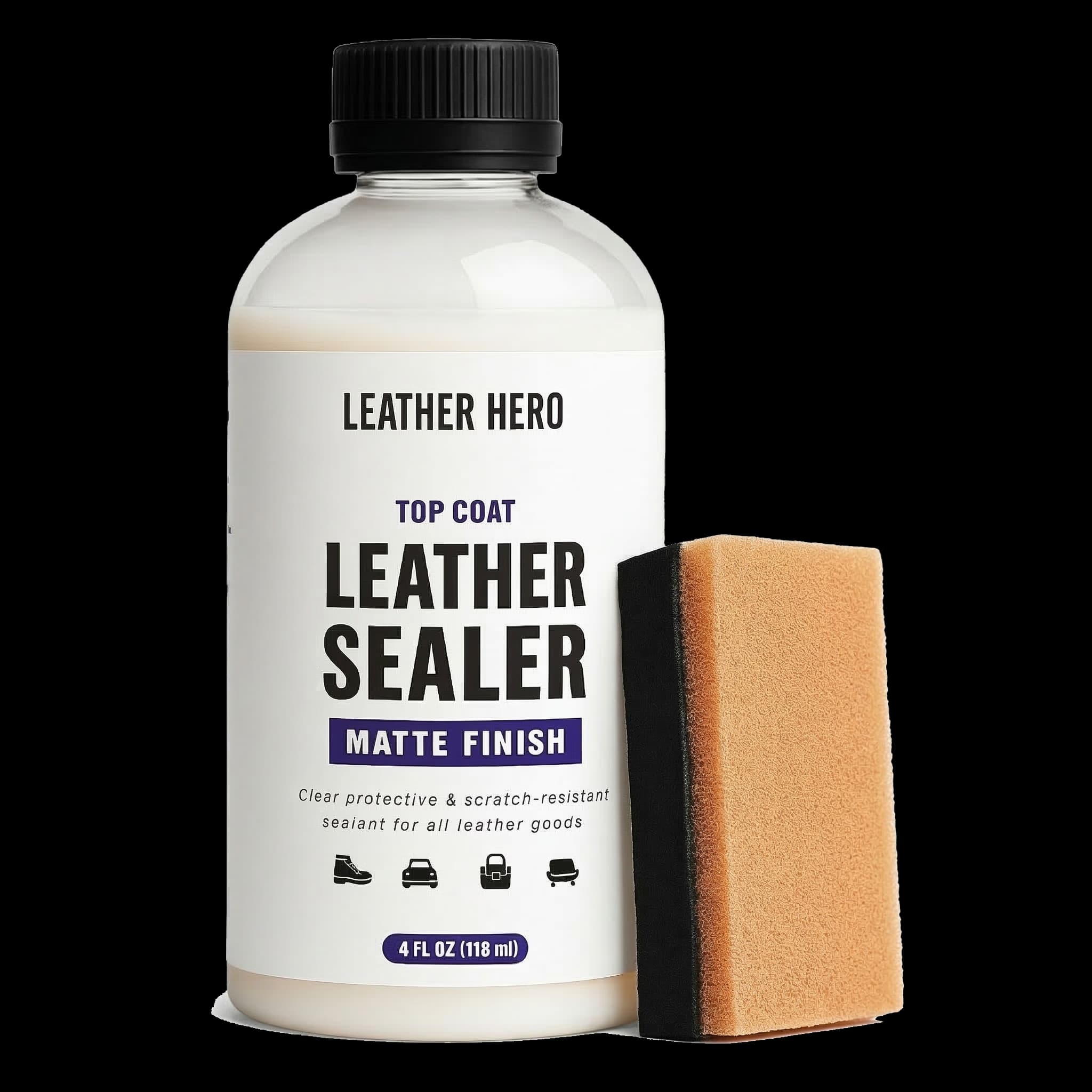
Recommended Product
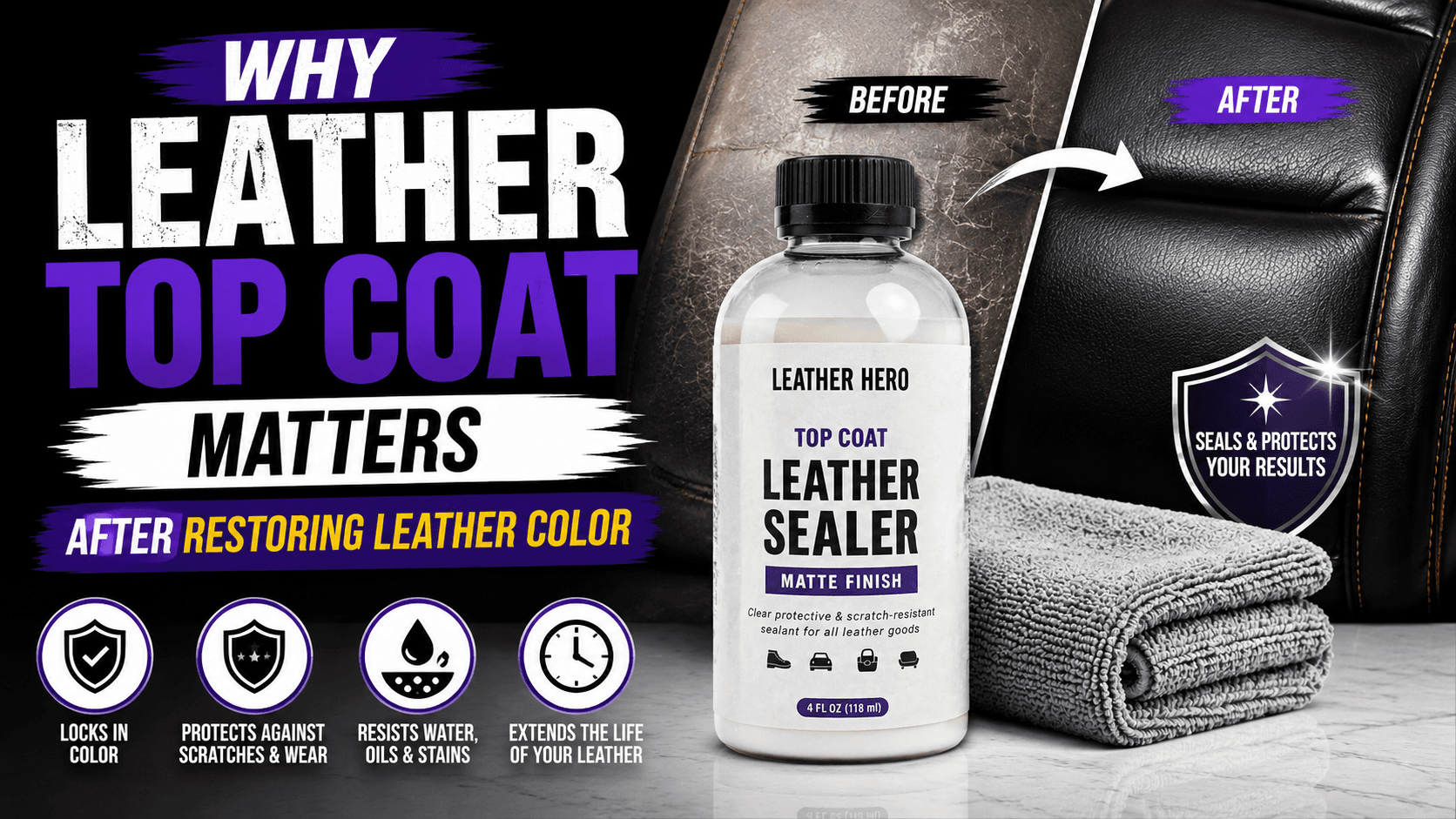
Leather Sealer Matte Finish
A focused product pick for the restoration steps in this guide.
Helpful References
Frequently Asked Questions
Is matte, satin, or gloss best for leather?
There is no single best finish. Matte is low-shine, satin is balanced and versatile, and gloss is bright and polished. Match the finish to the original leather and item type.
Does leather top coat protect restored color?
Yes, a compatible top coat can help protect restored color from friction, cleaning, and handling, especially on high-touch areas.
Will gloss make leather look darker?
Gloss can make color appear deeper because it reflects more light. Always test after the color has dried before applying gloss widely.
What finish is best for leather car seats?
Most leather car seats look most natural with a matte or satin finish. Gloss can look too shiny unless the interior originally had a polished look.
Join The List
Leather Care, Delivered.
Get expert guides and exclusive offers in your inbox.