
Leather Color Restorer vs Leather Dye: Which One Should You Use?
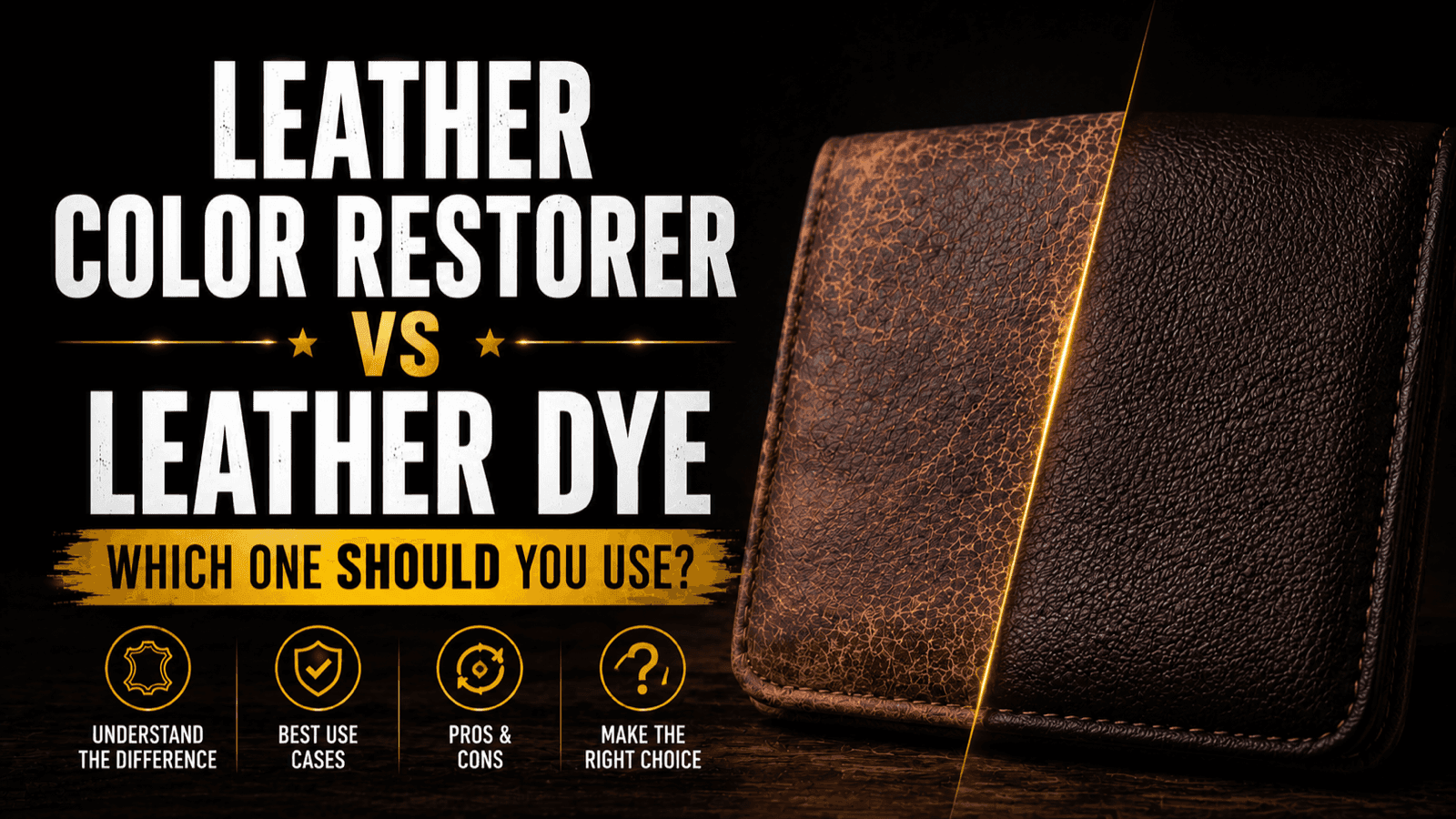
Leather color restorer and leather dye are often mentioned together, but they are not the same product decision. A leather color restorer is usually used to refresh, even out, or rebuild color on finished leather that has faded or scuffed. Leather dye is more aggressive and is used when you want deeper recoloring, a major color change, or a craft-style project where the leather can absorb dye properly.
Choosing the wrong one can create streaks, rub-off, stiffness, dark patches, or a surface that looks painted instead of restored. This guide explains the difference in plain language, shows when each product makes sense, and links to Leather Hero products that fit common home restoration projects.
Use leather color restorer when finished smooth leather has faded but you want to keep the same color family.
Use leather dye when you intentionally want a stronger color change and the leather can accept dye evenly.
Both products need cleaning, hidden-area testing, drying time, and controlled application.
Top coat matters after color work on high-contact areas such as seats, steering wheels, shoe toes, and bag handles.
Restoration Flow
Restorer refreshes color
Dye changes color
Prep controls coverage
Top coat protects
Visual Guide
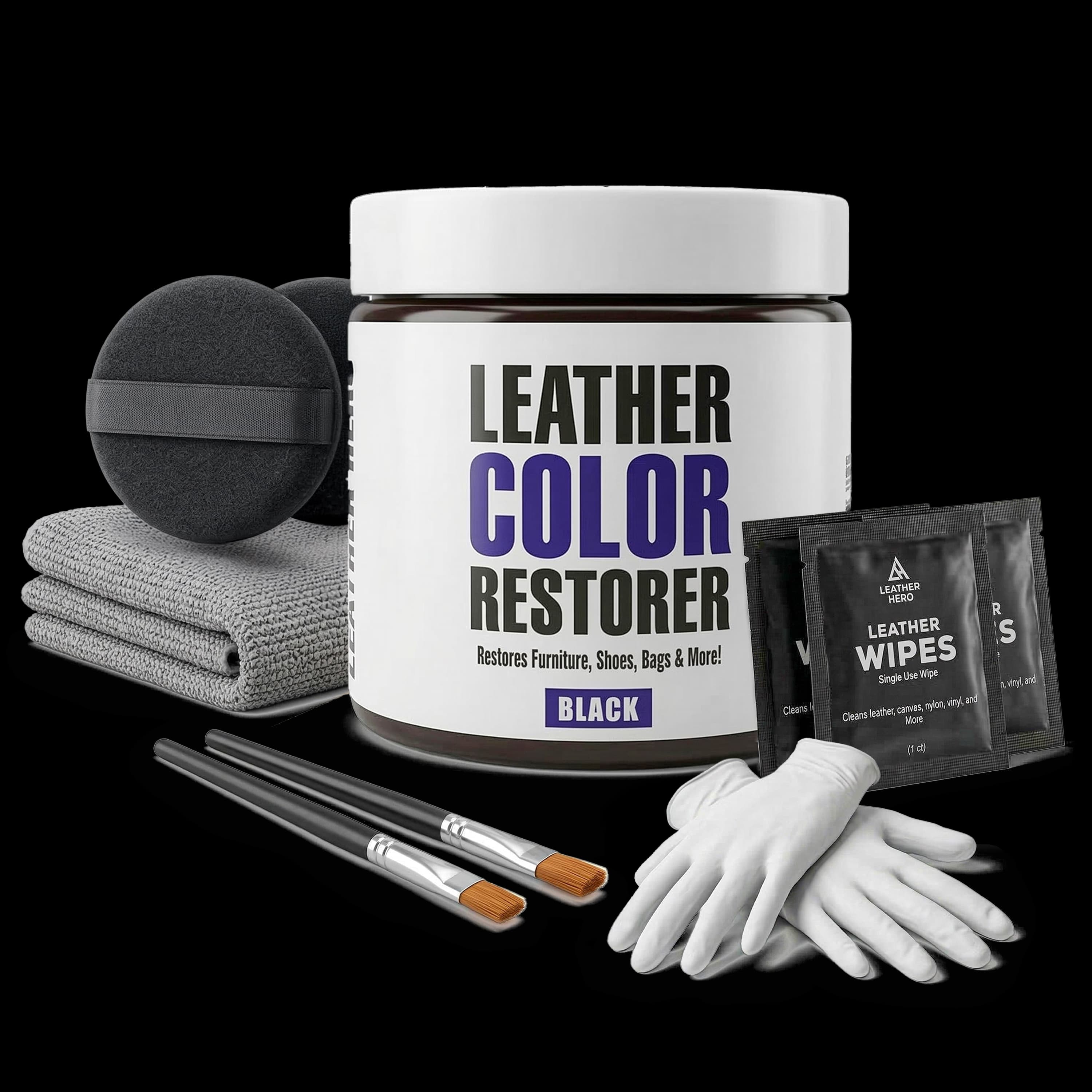
Use Restorer for Faded Finished Leather
A restorer is ideal when the item is still the right color but worn areas need pigment and blending.
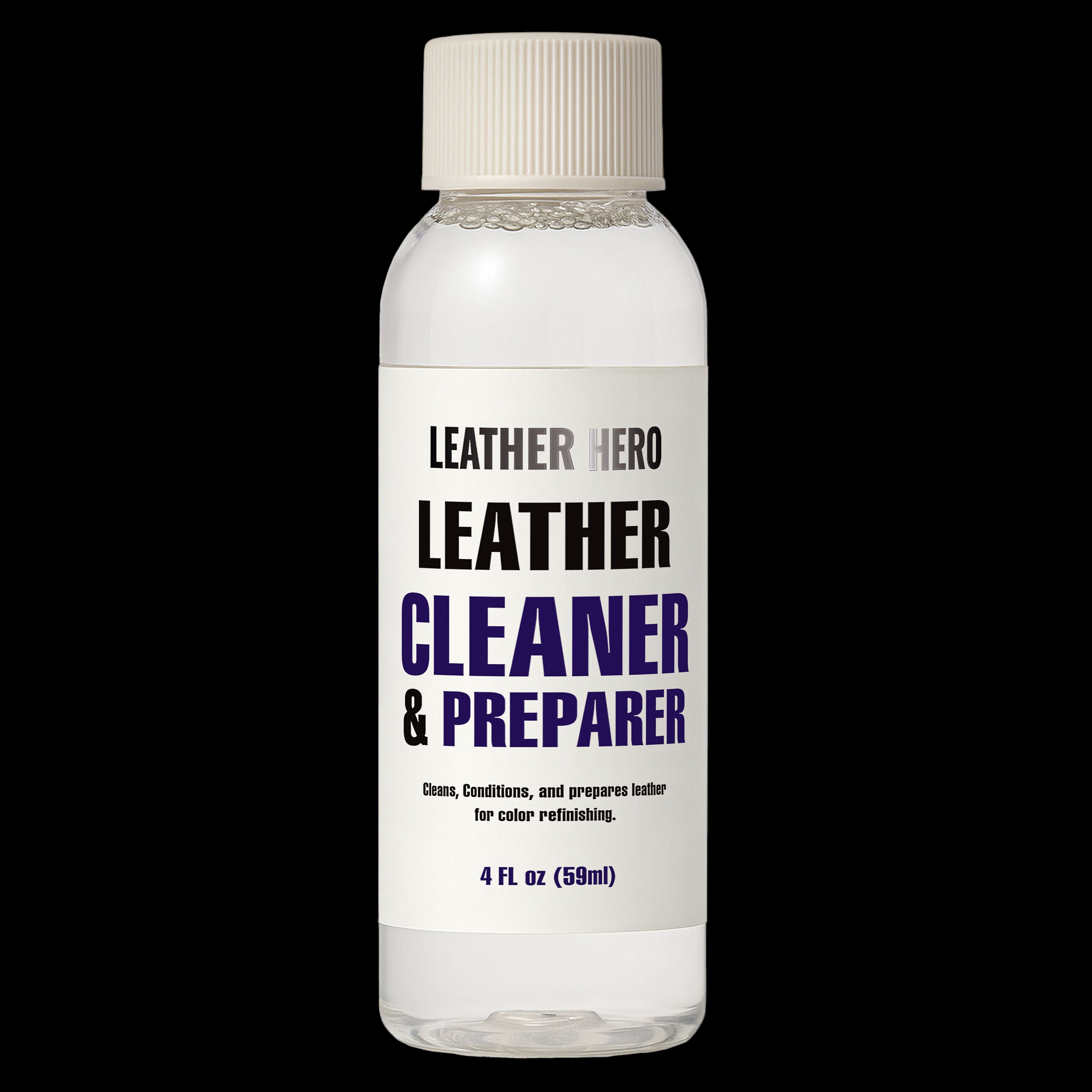
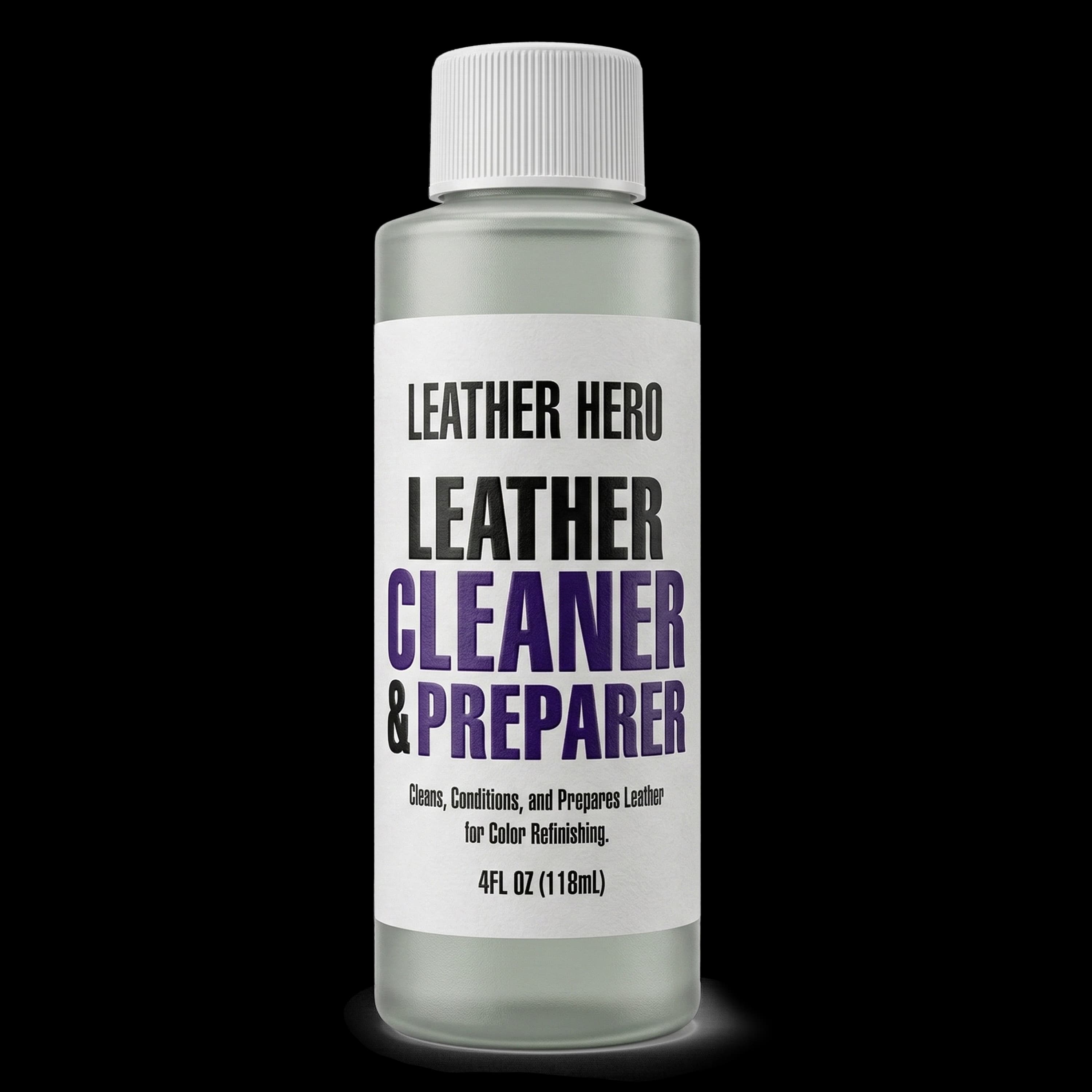
Prepare Before Any Color
Cleaner and preparer help remove oils, wax, polish, and dirt that can interfere with restorer or dye.
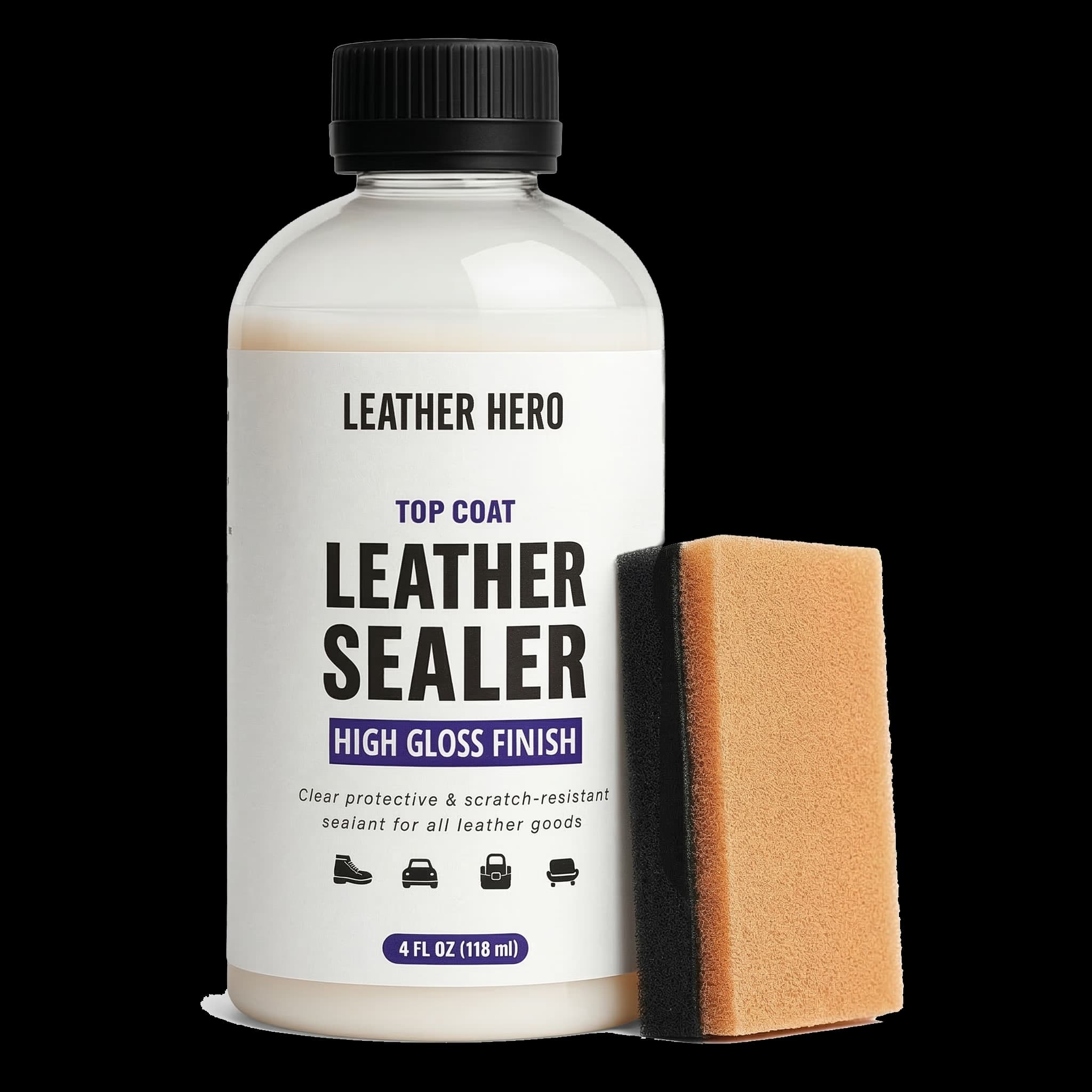
Protect After Recoloring
Choose matte, satin, or gloss based on the original item and how much shine you want after color work.
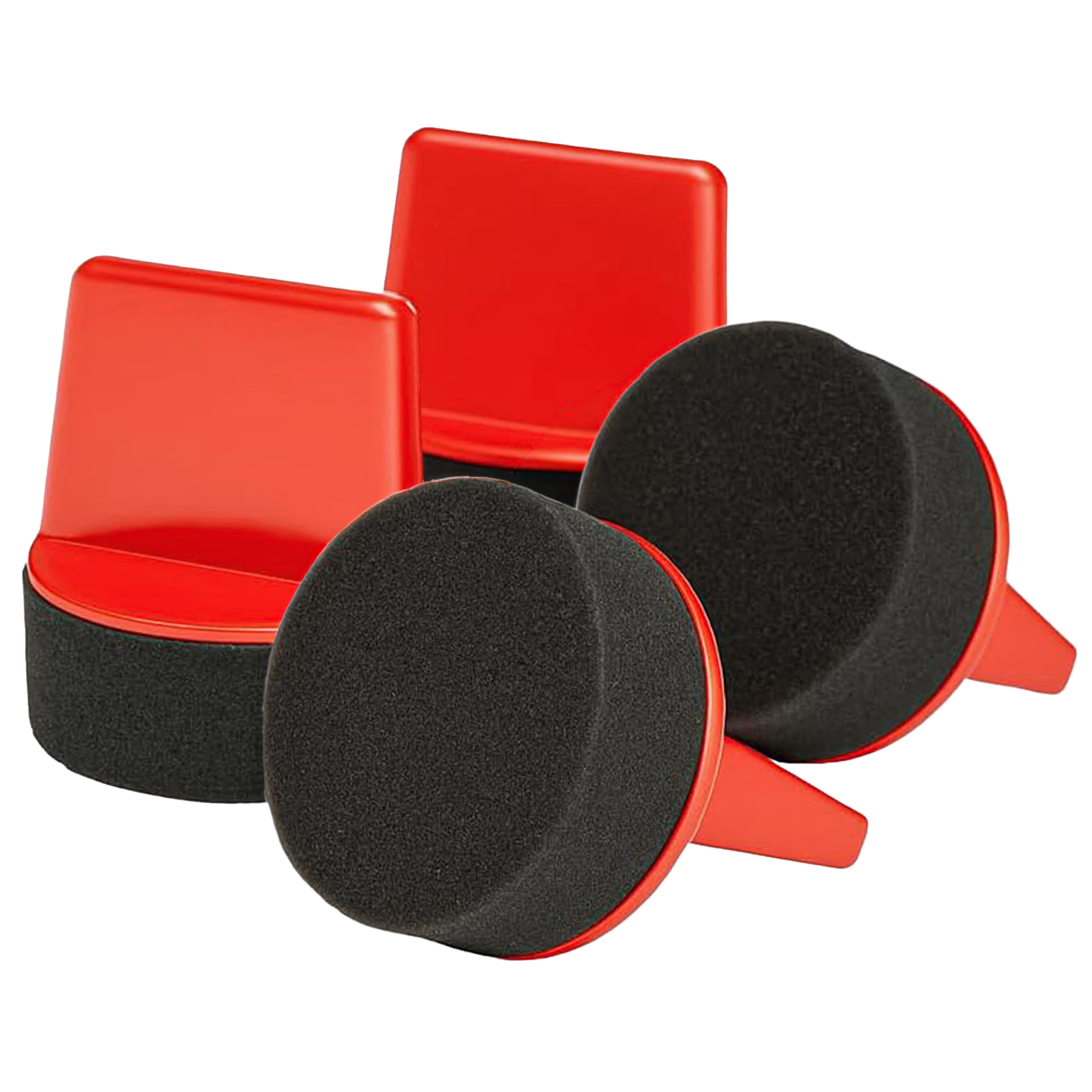
Applicators Help Control Edges
Controlled applicators help you build thin layers and avoid hard lines around the repaired area.
Quick Answer
Use leather color restorer when the leather is faded, scuffed, or dull but you still want the same general color. This is the common choice for black furniture that has turned gray, dark brown boots that have pale toes, a handbag handle that has lost color, or a car-seat bolster that looks worn from clothing friction. Restorer is usually easier to blend because it works with the existing color family rather than trying to transform the item.
Use leather dye when you want a bigger color change or when the leather type is suitable for dye absorption. Dye can be useful on unfinished leather, vegetable-tanned leather, craft leather, or projects where the old finish has been stripped and the final finish will be rebuilt. Dye can produce dramatic results, but it is less forgiving on sealed consumer leather.
What Leather Color Restorer Does
Leather color restorer is made for correction. It helps restore lost pigment on finished smooth leather and makes worn areas look closer to the surrounding surface. It is not meant to turn every item into a completely different shade. Its strength is subtle control: you can test, apply thin coats, dry, inspect, and stop when the leather looks natural again.
This makes restorer a strong choice for home users. Furniture, shoes, handbags, jackets, and car interiors are often finished leathers with protective coatings. A restorer can refresh those surfaces without asking the user to strip the whole item. Leather Hero Color Restorer Kit - Black and Leather Hero dark brown color restorer are examples of product choices for common faded leather projects.
What Leather Dye Does
Leather dye is designed for deeper color change. It can penetrate absorbent leather or prepared leather and can be useful when the goal is to change tan to brown, brown to black, or create a custom craft finish. Dye can be beautiful in the right project, but it usually requires stronger preparation and a more complete finishing plan.
Dye is risky when the leather is sealed, oily, dirty, coated, or unknown. It may not absorb evenly. It may create dark edges. It may transfer if not sealed correctly. On expensive furniture, designer bags, car interiors, and finished shoes, dye should not be the first choice unless you know the leather system and are prepared for the entire recoloring process.
How to Choose Between Them
Ask one question first: do you want to refresh the existing color or change the color? If the item is black and you want it black again, use black color restorer. If it is dark brown and you want richer dark brown, use a dark brown restorer. If it is tan and you want it black, you are asking for a dye or full recoloring project, not a simple restoration.
The second question is surface condition. If the leather is smooth but faded, restorer is usually enough. If the leather is cracked, gouged, or missing finish, repair first. If the leather is suede or nubuck, avoid smooth-leather color products unless the label specifically says they are safe. If the item is valuable, sentimental, or hard to replace, test slowly or ask a professional.
Preparation Matters for Both
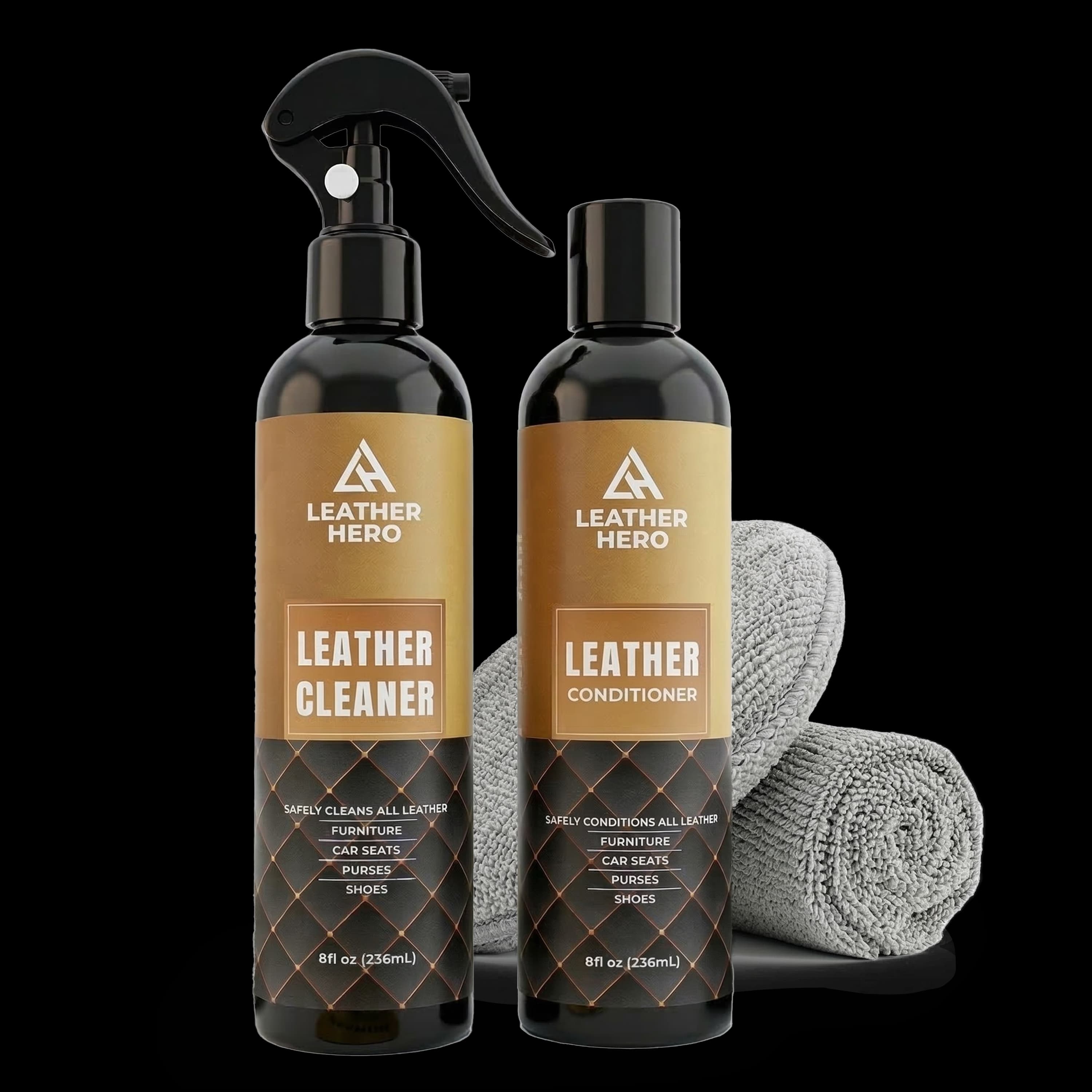
Both restorer and dye need clean leather. Dust, polish, silicone, conditioner, body oil, and wax can block even coverage. Clean with a leather-safe cleaner, work in small sections, and let the item dry naturally. Do not apply color over wet leather because the shade and bonding can change as moisture leaves the surface.
After cleaning, repair any texture damage. Color follows texture. If a crack is rough before color, it will still look rough after color. Filler, sanding, and smoothing may be needed before color restoration. Once the surface is clean and stable, test color in a hidden area and wait until it dries before judging the match.
Which One Lasts Longer?
Longevity depends less on the label and more on preparation, leather type, application thickness, drying time, and finish protection. A carefully applied color restorer with a suitable top coat can last well on a finished leather item. A poorly prepared dye job can fail quickly if the color sits unevenly or is not sealed correctly.
High-friction items need protection either way. Shoes flex and scrape. Couch arms collect body oil. Car bolsters rub against clothing. Handbag handles receive constant skin contact. For those areas, use thin color layers and protect them with a compatible matte, satin, or gloss finish.
Best Leather Hero Product Path
For a faded black couch, black shoes, black bag, or black steering wheel, start with Leather Hero Cleaner & Preparer, then Leather Hero Color Restorer Kit - Black, then a top coat if the surface gets heavy use. For darker brown leather, use the closest dark brown color restorer. For scratches or cracks, add Leather Hero Leather Filler Paste Kit before recoloring.
If your project is a full color change, read dye-specific instructions carefully and expect more preparation. For most shoppers trying to make leather look good again rather than completely different, color restorer is the more practical starting point.
Conclusion
Leather color restorer is best when you want to restore faded color inside the same color family. Leather dye is best when you want a stronger color transformation and the leather is suitable for dyeing. The safest choice for most finished leather furniture, shoes, bags, jackets, and car interiors is to clean, test, and start with a matching color restorer.
If the surface is cracked, repair it first. If the item is suede, nubuck, raw leather, or expensive designer leather, slow down and test carefully. A thoughtful restoration keeps the leather flexible, believable, and easier to maintain than a rushed color change.
Match the product to the leather type, finish, and condition, then test it on a hidden area before full application.
Leather Hero Care Note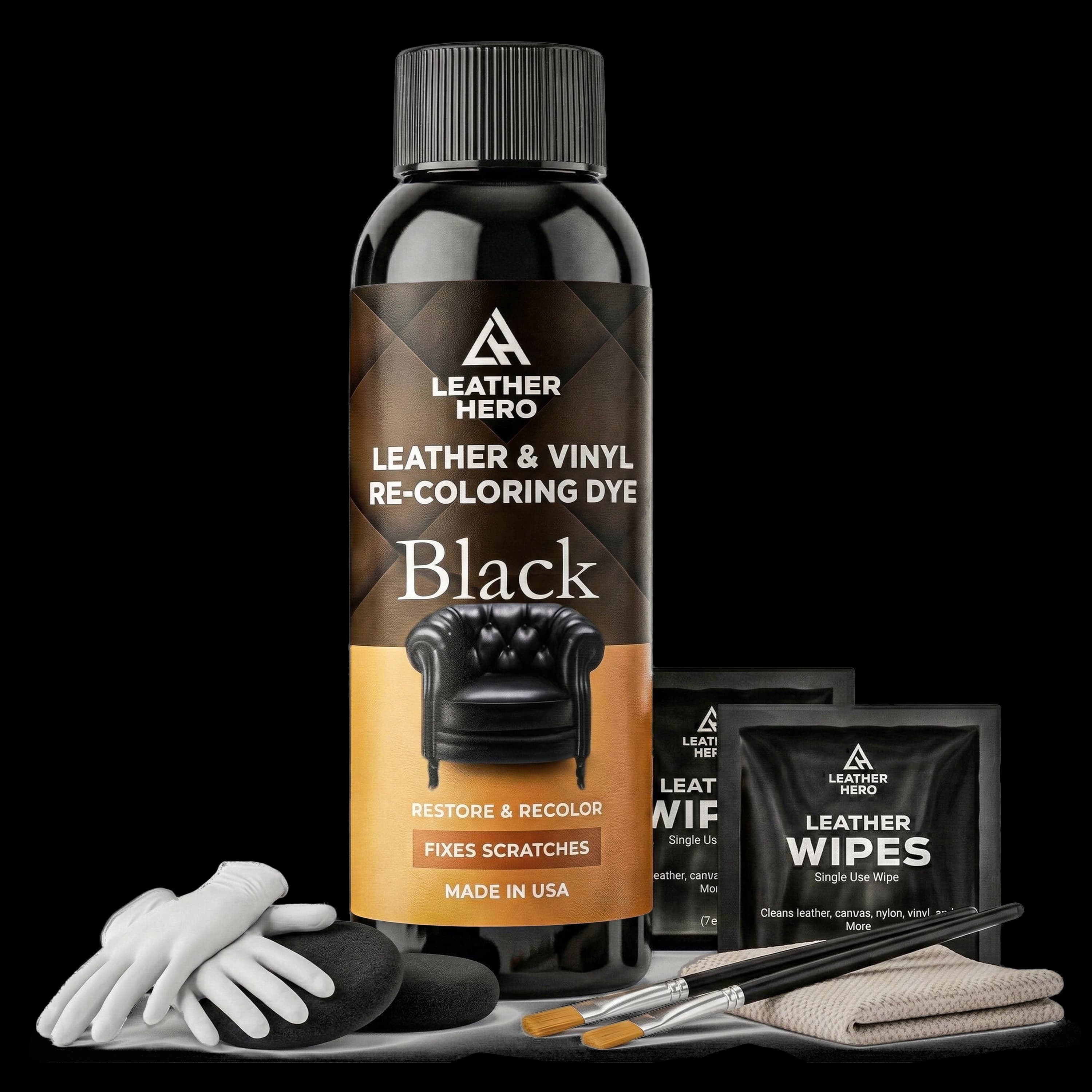
Recommended Product
Leather Hero Color Restorer Kit - Black
A focused product pick for the restoration steps in this guide.
Helpful References
Townsend Leather Cleaning Guide
External cleaning guide emphasizing gentle leather cleaning methods before stronger treatments.
How to Restore Faded Leather Color
Step-by-step guide for restoring faded finished leather without replacing it.
Matte, Satin, or Gloss Finish Guide
Choose the right finish after color restoration or recoloring.
Frequently Asked Questions
Is leather color restorer the same as leather dye?
No. Color restorer refreshes or rebuilds faded color on finished leather, while dye is usually used for deeper recoloring or a major color change.
Should I use dye or restorer on a leather couch?
For most faded finished leather couches, start with color restorer. Dye is more aggressive and should only be used when the leather and finish are compatible.
Can leather color restorer change brown leather to black?
A restorer may darken leather, but a true brown-to-black transformation is closer to dyeing or full recoloring and requires more preparation.
Does leather dye need a top coat?
Most recoloring projects need a protective finish, especially on seats, shoes, steering wheels, and handles where friction can cause wear.
Which is easier for beginners?
Leather color restorer is usually easier for beginners because it is used to blend and refresh existing color rather than completely change the leather.
Join The List
Leather Care, Delivered.
Get expert guides and exclusive offers in your inbox.