
Leather Restorer vs Leather Color Restorer: Which One Do You Need?
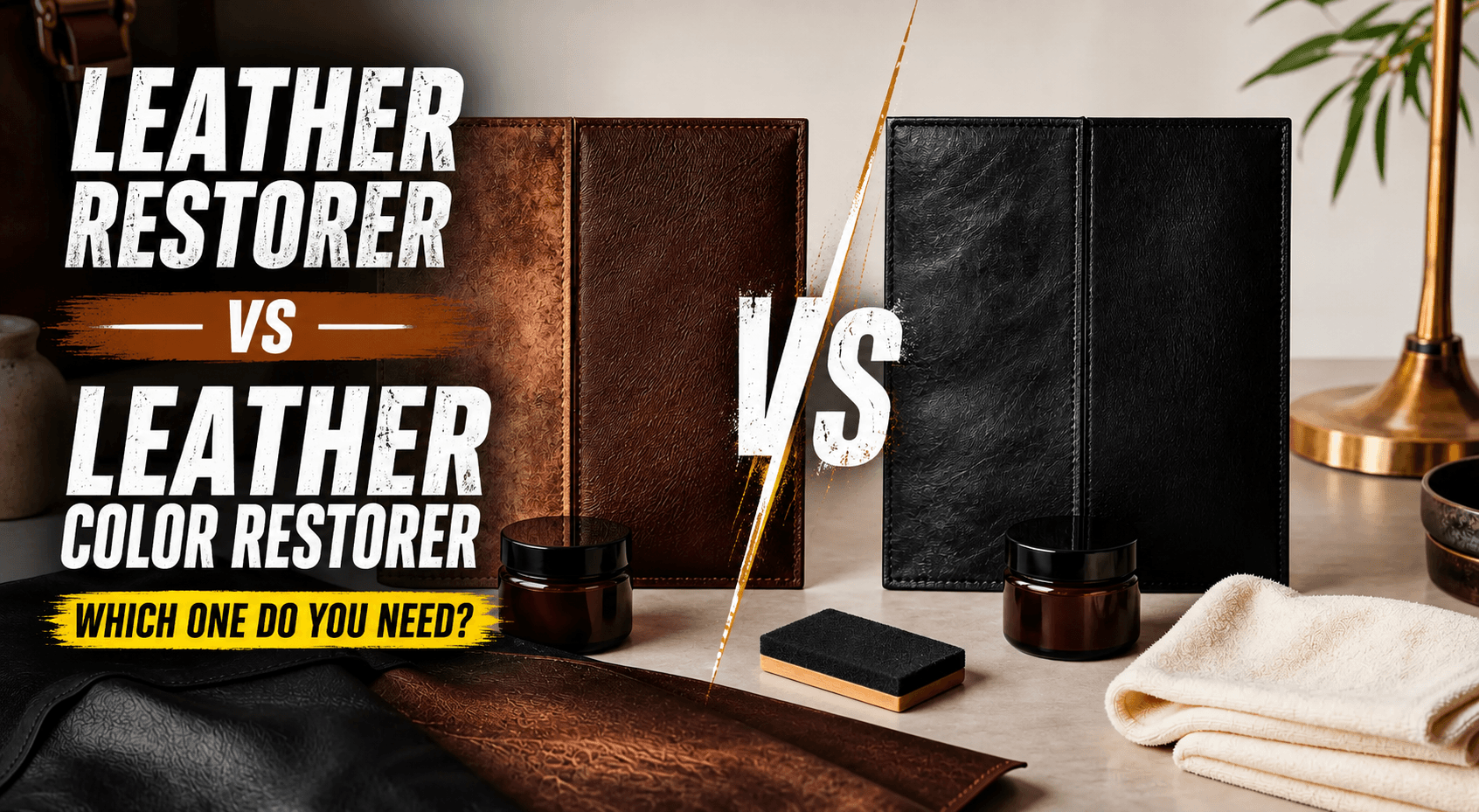
People often search for leather restorer when they want one product to make an old couch, bag, shoe, jacket, or car seat look better. The phrase is broad, and that is where confusion starts. Sometimes the leather needs cleaning and conditioning. Sometimes it needs pigment. Sometimes it needs filler before any color can look right. A general leather restorer and a leather color restorer can both help, but they are not always solving the same problem.
This guide explains the difference in plain language. If the leather is dull, dry, dusty, or lightly marked, a cleaner or general restorer may be the better first step. If the leather has lost pigment and looks gray, pale, patchy, or scuffed through the finish, a leather color restorer is usually the more direct answer. The best result often comes from using the right product in the right order instead of asking one product to do every job.
Leather restorer is a broad term that may refer to cleaning, conditioning, refreshing, or improving the look and feel of leather.
Leather color restorer is more specific: it is used when finished smooth leather has lost visible pigment or looks faded.
Clean and prepare the leather before color work so oils, dust, wax, and old conditioner do not block even coverage.
Use color restorer only when the surface is structurally sound, or repair cracks and rough damage before recoloring.
Restoration Flow
Identify the problem
Clean and prepare
Restore color if needed
Protect high-wear areas
Visual Guide
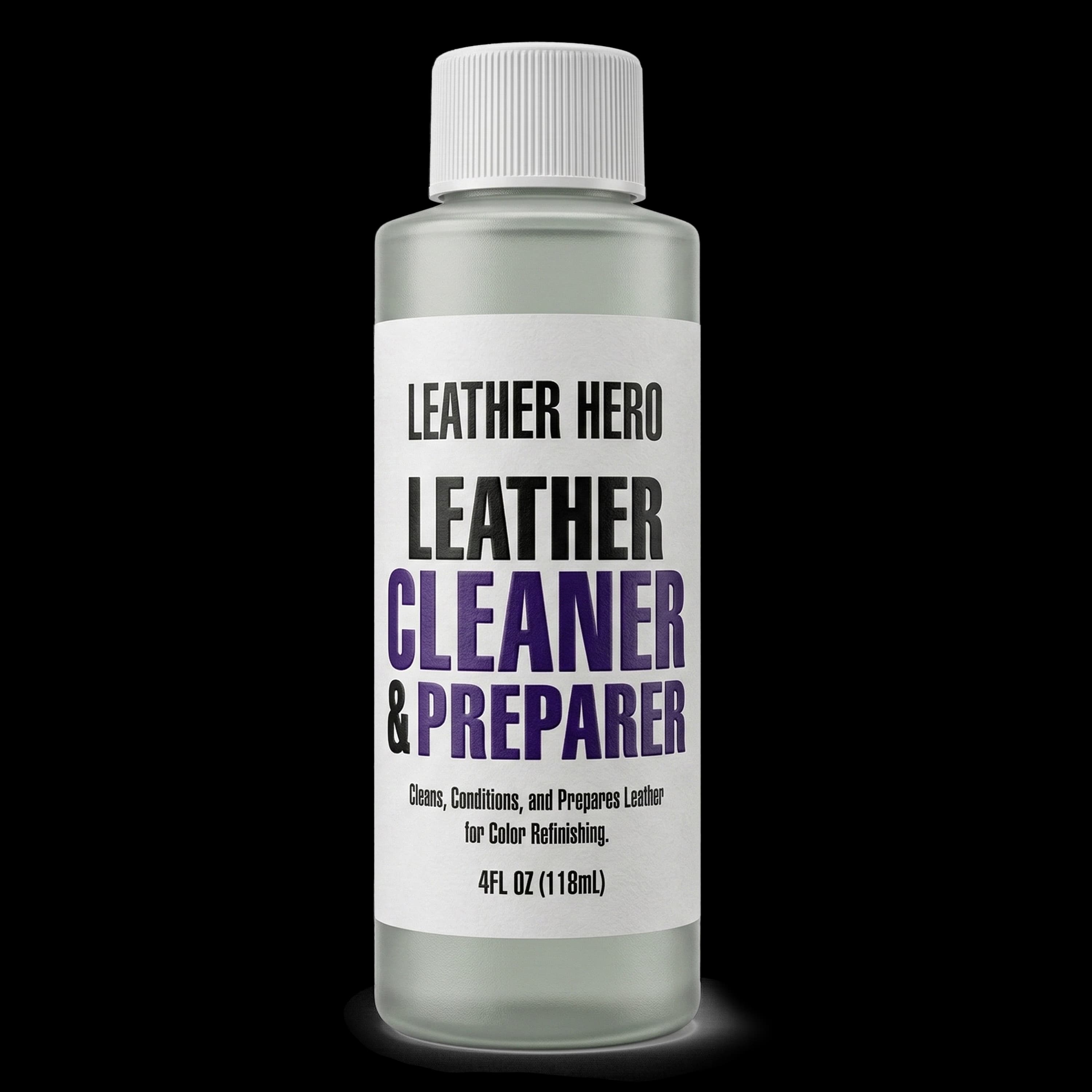
General Restorer Stage
Start with cleaning and refreshing when the leather looks dull, dusty, lightly dry, or uneven from surface buildup rather than true pigment loss.
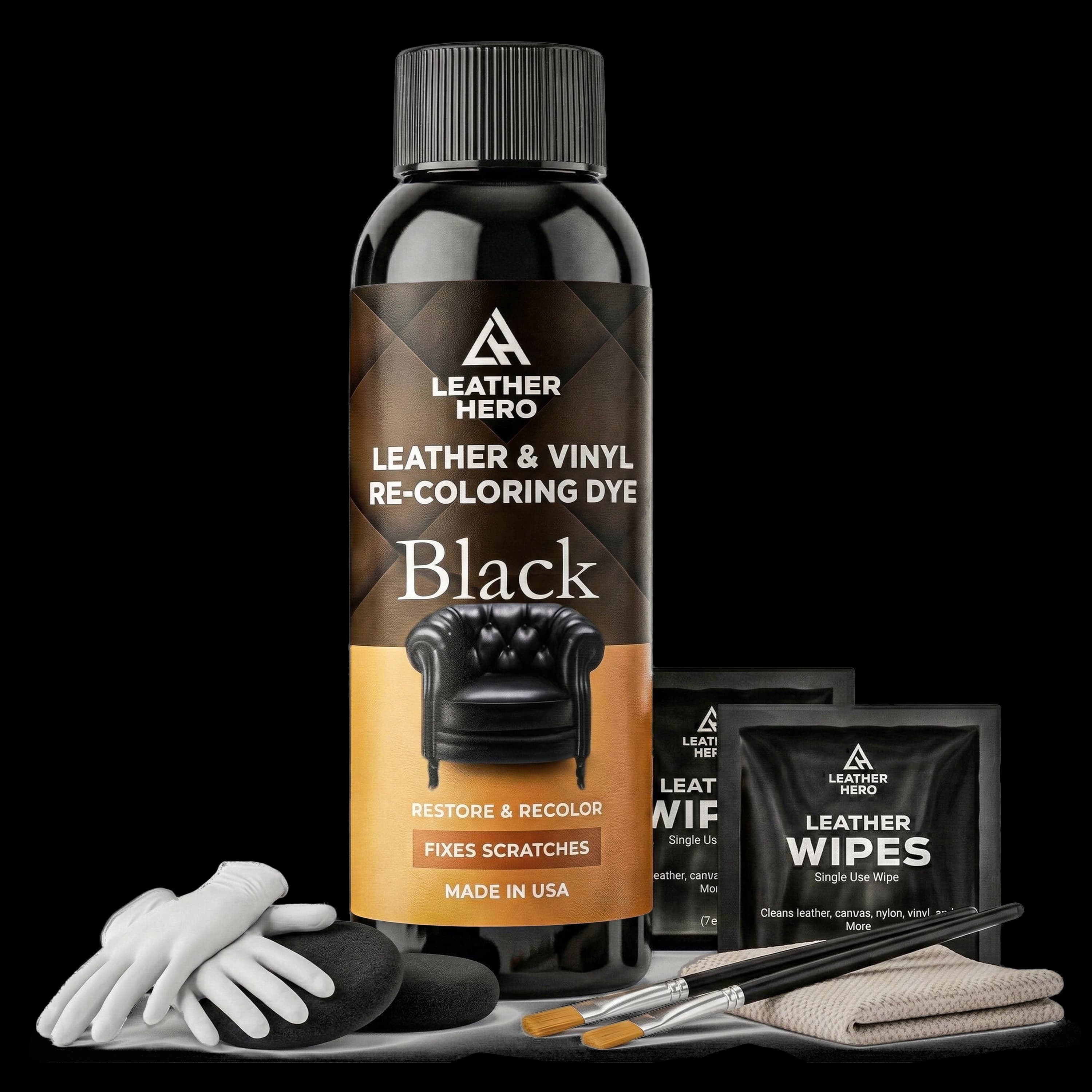
Color Restorer Stage
Move to color restoration when the leather has faded, turned gray, or lost pigment on high-friction areas like couch arms, shoe toes, and seat bolsters.
Quick Answer
Use a general leather restorer or cleaner when the leather mainly looks dirty, dull, lightly dry, or tired. Use a leather color restorer when the color itself has worn away or faded. The difference matters because leather can look old for several reasons. Dirt makes leather look flat. Dryness makes it feel stiff. Lost pigment makes it look pale or gray. Cracks and peeling create texture damage that color alone cannot hide.
If you are not sure, clean first and let the leather dry. Cleaning often reveals whether the problem was only surface buildup or actual color loss. If the color looks even after cleaning, you may not need pigment. If the leather still has pale patches, scuffed corners, gray wear, or a faded panel, then color restorer becomes the more useful product.
What Leather Restorer Usually Means
Leather restorer is a flexible phrase, so always read the product purpose. Some products called restorers are cleaners. Some are conditioners. Some are balms that add a refreshed look. Some combine light cleaning and conditioning. Their job is usually to improve the appearance and feel of leather that has become dull, dry, or marked by normal use.
A general restorer is helpful when the leather still has its original color but no longer looks fresh. A black leather bag that is dusty but still black, a brown couch that feels dry but is not pale, or a shoe that needs cleaning before polishing may all benefit from this first stage. It is the foundation step before deciding whether stronger color work is needed.
What Leather Color Restorer Means
Leather color restorer is more targeted. It is designed to bring pigment back to finished smooth leather that has faded, scuffed, or lost color from friction, sunlight, age, or repeated cleaning. It is commonly used on black leather that has turned gray, brown leather that has become washed out, couch arms that look pale, shoe toes that are scuffed, and car seat bolsters that have worn at the edge.
Color restorer is not just a moisturizer. It changes the visible tone of the leather. That is powerful, but it also means you should test first. A color product that is too dark, too warm, too cool, or applied too heavily can make the repaired spot stand out. Thin coats and hidden-area testing are what make the result look controlled.
How to Diagnose the Leather
Look at the leather in daylight and touch it gently. If the surface feels smooth and the color is mostly even, the issue may be dirt, dryness, or dull finish. If the surface looks lighter in the exact places that rub against clothing, hands, or sunlight, pigment loss is more likely. If your fingernail catches on cracks, gouges, or raised edges, repair work should come before color.
A simple wipe test can help. Clean a small hidden area with a leather-safe cleaner and let it dry. If that spot looks much better, cleaning was part of the answer. If it still looks pale after cleaning, the color has probably worn down. If the area feels rough after cleaning, you may need filler or repair before using color restorer.
When a Cleaner or General Restorer Is Enough
Choose the gentler path when the leather is not actually missing color. Many leather items look worse than they are because grime and body oil flatten the surface. Handbag handles, steering wheels, armrests, couch headrests, and shoe creases often collect residue. Cleaning can restore contrast and texture without changing the original color.
General restoration can also help leather that feels dry but still looks structurally sound. The goal is to clean, refresh, and maintain the surface. This is usually safer than applying pigment too early. If the item is valuable or delicate, it is better to start with the least aggressive product that can solve the problem.
When Color Restorer Is the Better Choice
Color restorer is the better choice when cleaning does not solve the visual problem. Classic signs include gray black leather, pale brown leather, scuffed corners, faded cushion panels, sun-exposed seats, and shoe toes where the original color has been rubbed away. In these cases, conditioning may darken the leather for a short time, but it usually cannot replace lost pigment.
Use color restorer on finished smooth leather and build coverage slowly. Apply a thin coat, let it dry, and inspect the color before adding another coat. Feather the edges so the restored area blends into the surrounding panel. The best color repairs are usually not the heaviest ones; they are the ones that preserve the leather grain and avoid a painted look.
Can You Use Both Products?
Yes, and many projects should use both. Cleaning and preparation should happen before color restoration because pigment needs a clean surface. A cleaner or restorer can remove dust, residue, and light buildup so the color product can sit more evenly. After the color dries, a compatible top coat may help protect high-wear areas.
The sequence is important. Do not condition heavily right before color restoration unless the product directions allow it, because oily residue can interfere with color coverage. A practical order is inspect, clean, repair if needed, restore color, then protect. That sequence lets each product do its own job.
Common Mistakes
The first mistake is using color when the item only needed cleaning. This can create unnecessary buildup and make future care harder. The second mistake is using conditioner to solve true fading. Conditioner can improve feel, but it may only temporarily darken the surface without restoring pigment. The third mistake is applying a thick color coat to hide cracks or peeling.
Color follows texture. If the leather has rough damage, fix the texture first. If the leather is dirty, clean first. If the leather is delicate, test first. Leather restoration works best when you slow down and identify the problem before choosing the product.
Conclusion
Leather restorer and leather color restorer are related, but they are not the same decision. A general restorer is best for cleaning, refreshing, and improving leather that still has its color. A leather color restorer is best when finished smooth leather has visible pigment loss, fading, or scuffed color.
Start with inspection and cleaning, then decide whether color is truly needed. If the leather is faded but intact, use thin coats of color restorer and protect the areas that receive daily friction. That simple order gives you a cleaner, more natural result than guessing from the product name alone.
Match the product to the leather type, finish, and condition, then test it on a hidden area before full application.
Leather Hero Care NoteRecommended Product
Leather Hero Cleaner & Restorer
A focused product pick for the restoration steps in this guide.
Helpful References
Frequently Asked Questions
Is leather restorer the same as leather color restorer?
No. Leather restorer is a broad term that may include cleaning, conditioning, or refreshing. Leather color restorer specifically targets faded or worn pigment on finished smooth leather.
Should I clean leather before using color restorer?
Yes. Cleaning removes dirt, body oil, wax, and residue that can prevent color from applying evenly. Let the leather dry before applying color.
Can conditioner restore faded leather color?
Conditioner can improve dryness and may temporarily darken leather, but it usually cannot replace missing pigment. Faded finished leather normally needs a color product.
Can I use color restorer on cracked leather?
Use repair or filler first if cracks are open, rough, or catching your fingernail. Color can improve tone, but it will not rebuild missing surface material.
How many coats of leather color restorer should I apply?
Apply thin coats and stop when the color looks even. Many projects need one to three light coats depending on fading and color match.
Join The List
Leather Care, Delivered.
Get expert guides and exclusive offers in your inbox.