
How to Remove Mold, Mildew, and Musty Smell From Leather
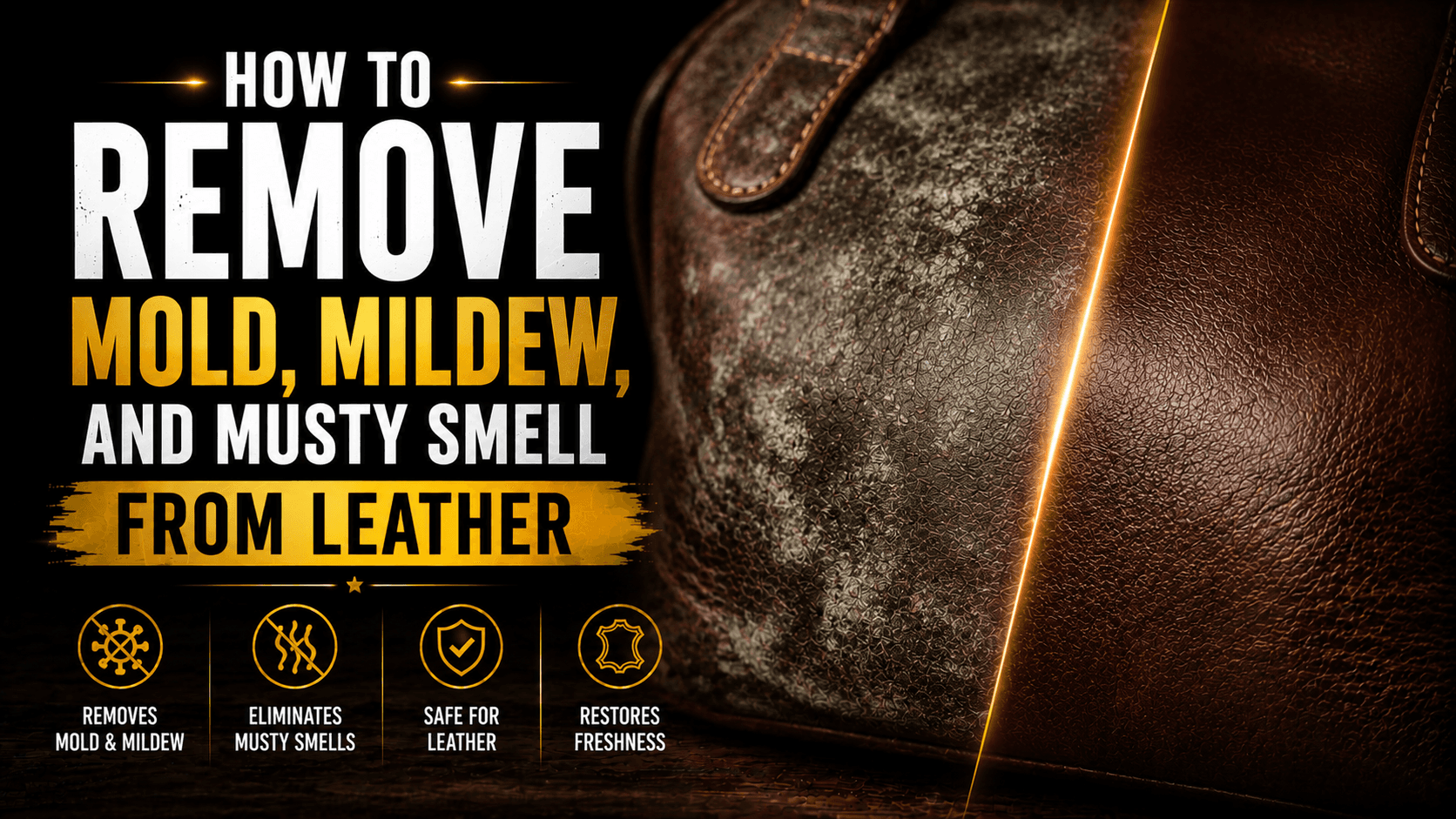
Leather that has been stored in a damp closet, basement, garage, or humid climate can develop a white or gray haze, dark spots, and a musty smell that lingers even after the item is brought back into daylight. That haze is usually mold or mildew feeding on the natural oils and dust trapped in the leather's surface. It looks alarming, but on most finished leather it can be cleaned safely without ruining the item.
This guide covers how to identify mold versus mildew on leather, the safe way to clean it off, how to get rid of the musty smell that mold and long-term storage leave behind, and how to store leather so it does not come back. It applies to bags, shoes, jackets, belts, and furniture that have been in storage, a vehicle, or a humid room.
A white or grayish, slightly fuzzy haze on leather is usually mold or mildew, not dried-out finish.
Clean mold outdoors or in a ventilated area, and wipe with a barely damp cloth rather than soaking the leather.
Musty smell can linger after mold is wiped away, so airing out and using a leather-safe cleaner helps clear the odor at the source.
Store leather in breathable spaces with airflow and moderate humidity to prevent mold from returning.
Restoration Flow
Confirm it is mold
Clean in a ventilated space
Dry and deodorize
Store leather correctly
Visual Guide
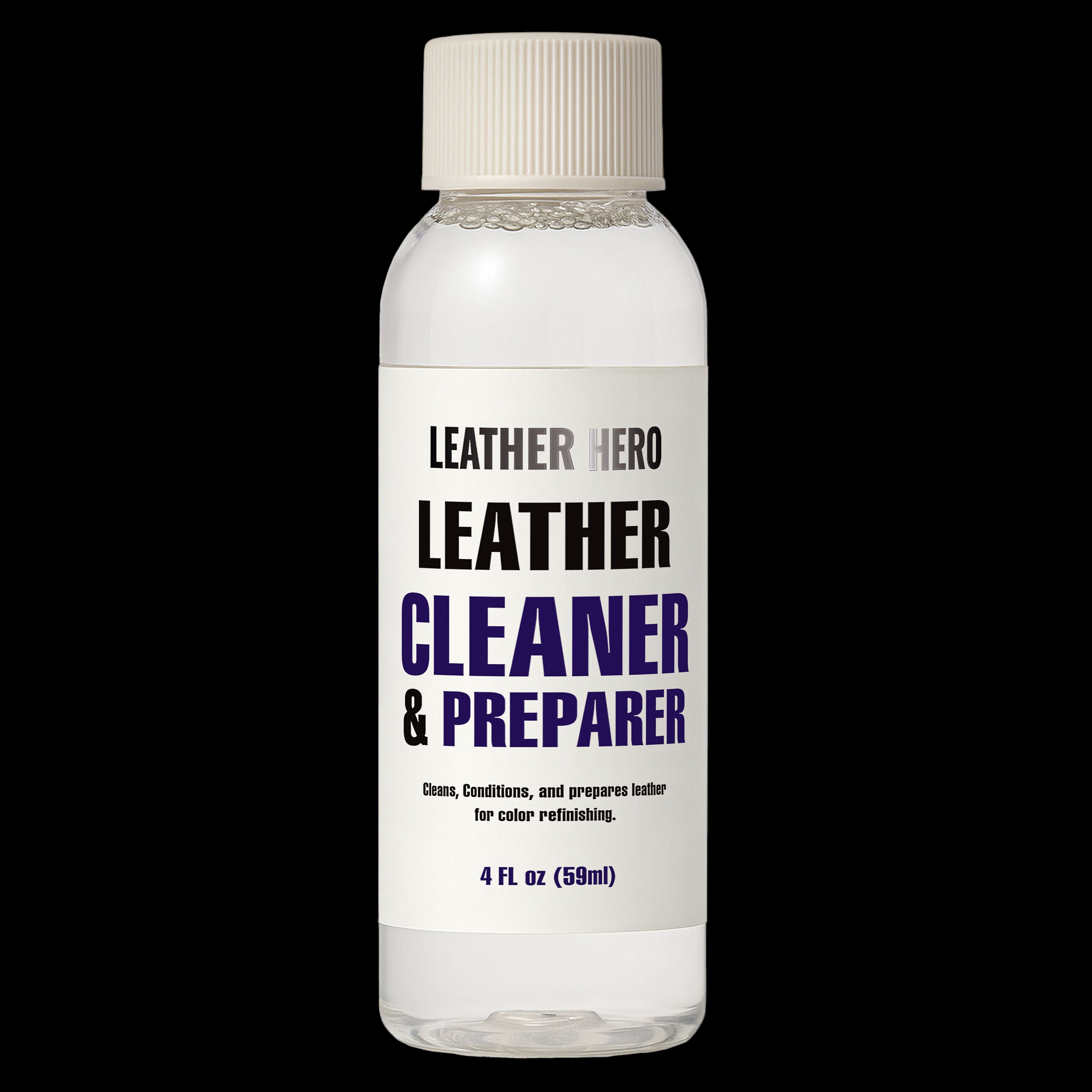
Clean Before Deodorizing
A leather-safe cleaner lifts mold, mildew, and the dust it feeds on without stripping the finish.
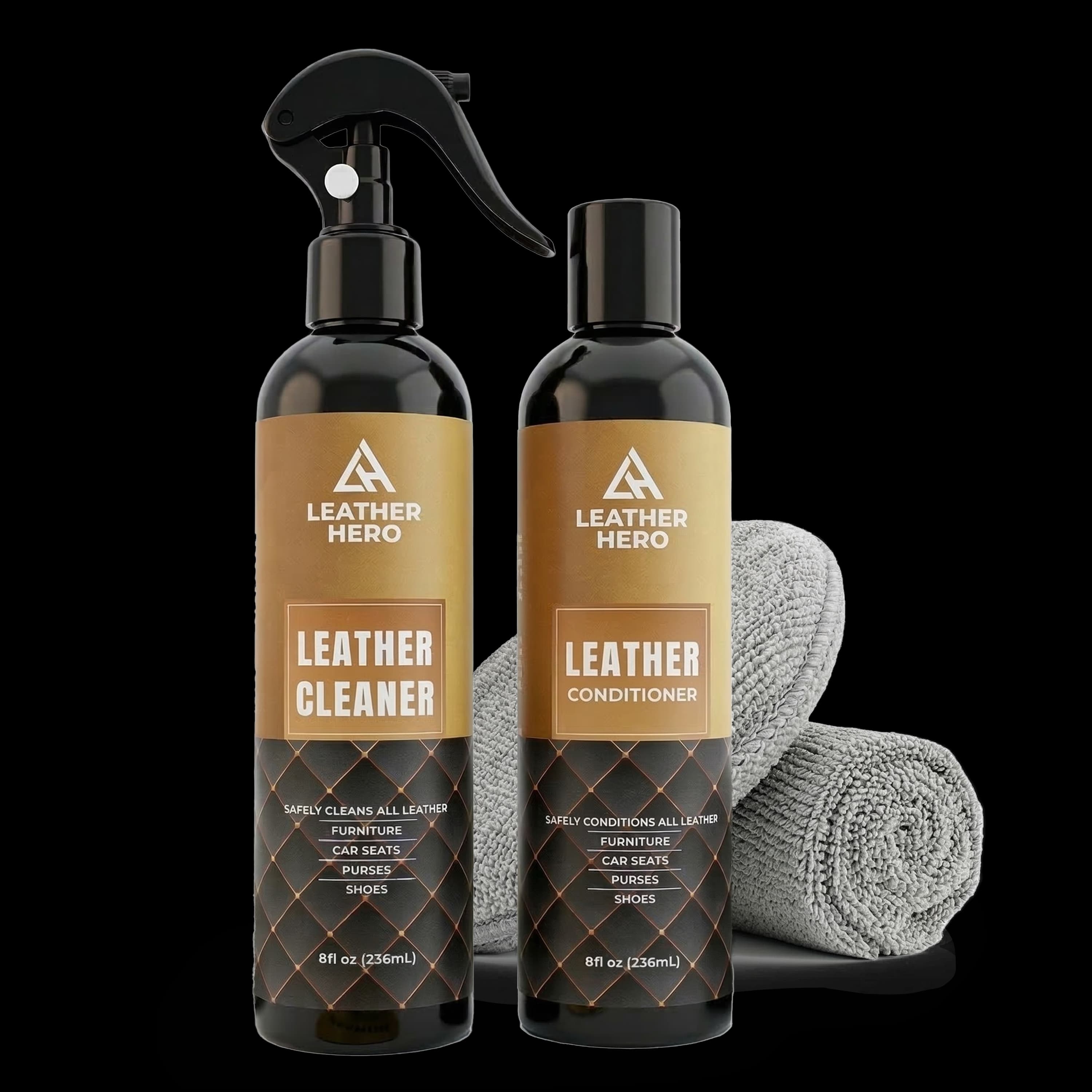
Full Care Kit for Storage Damage
Cleaning and conditioning together help restore leather that has dried out or stiffened in storage.
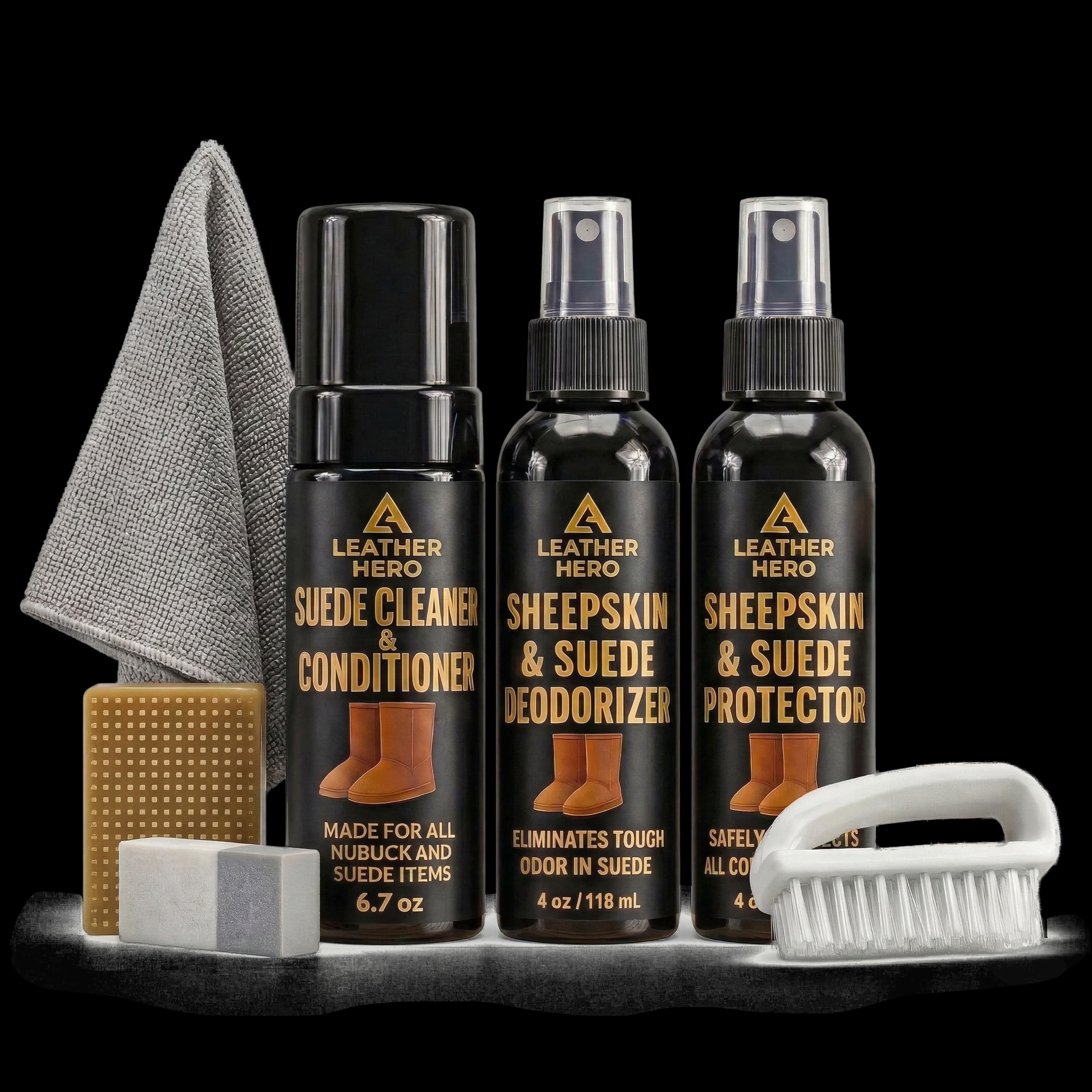
Suede Needs a Different Approach
Suede and sheepskin trap moisture differently than smooth leather and need a suede-specific cleaner.
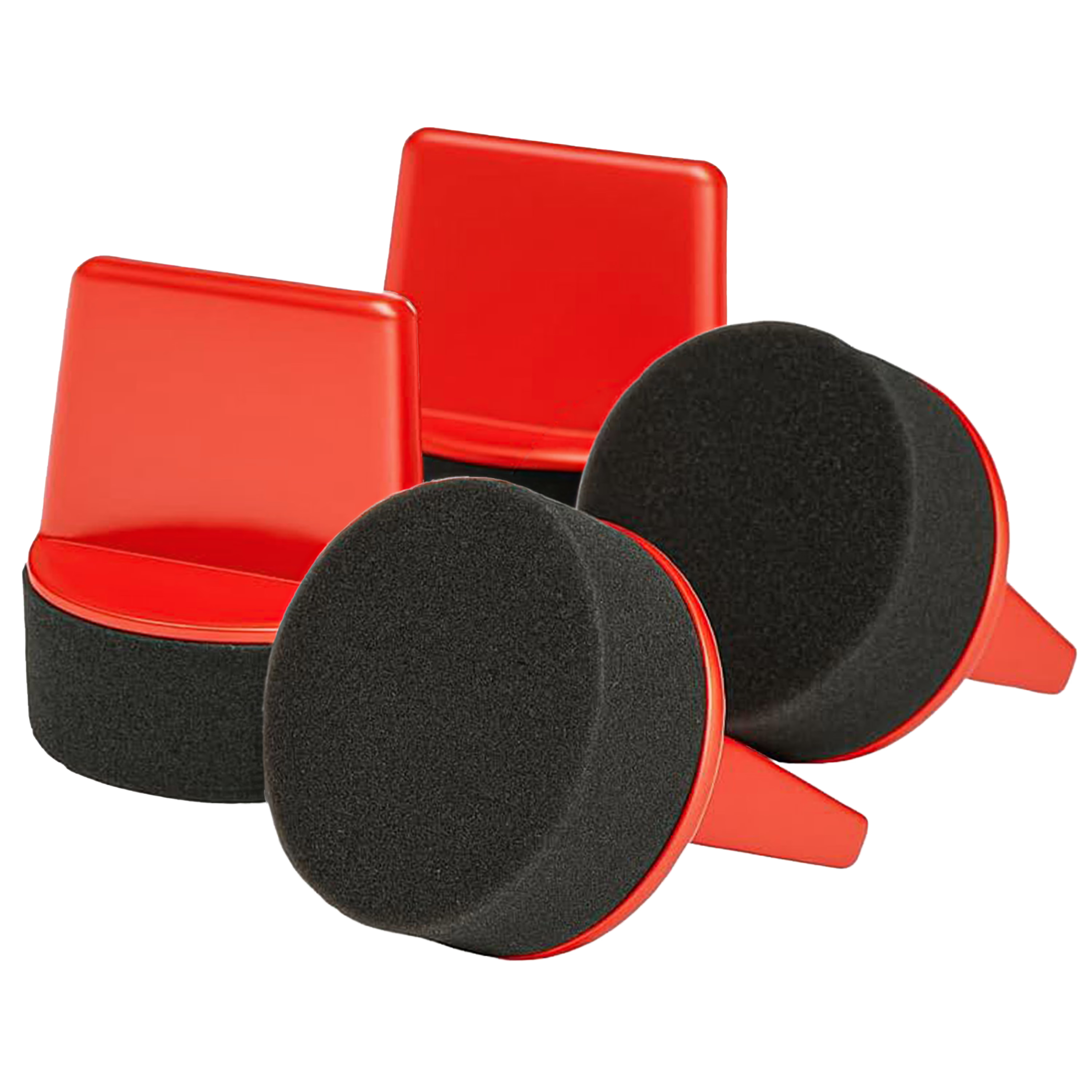
Applicators for Controlled Wiping
Work mold cleanup in small sections with a controlled applicator instead of soaking the whole item.
Is It Mold, Mildew, or Just Dried Finish?
Mold and mildew on leather usually appear as a white, gray, greenish, or slightly fuzzy haze that can be wiped away, at least partially, with a dry cloth. It often smells musty or sour, especially in an enclosed space like a closet or storage bin. Dried finish or bloom, on the other hand, is usually a dull, powdery, even coating without the fuzzy texture, and it does not carry the same damp smell.
If you are unsure, wipe a small area with a dry cloth outdoors. Mold and mildew typically lift into the cloth as loose particles. If the haze does not move much and the item does not smell musty, you may be dealing with dried oils or old polish residue rather than mold, which calls for a standard cleaning routine instead of a mold-specific one.
Why Leather Grows Mold in the First Place
Leather is a natural material that absorbs moisture from the air, and mold spores are present almost everywhere. When leather sits in a humid, poorly ventilated space, such as a plastic storage bin, a damp basement, a closed car trunk, or a tightly packed closet, moisture gets trapped against the surface and gives mold what it needs to grow. Dust, skin oils, and old conditioner residue on the leather act as extra food for mold and mildew.
This is why mold problems often show up after a rainy season, after storing items in plastic rather than breathable fabric, or after leather goods sit unused for months. Shoes stored in a closed box, bags left in a damp closet, and jackets kept in dry cleaner plastic are common cases, since none of those environments let moisture escape.
Step One: Clean Mold Off Safely
Take the item outside or to a well-ventilated area before you start, since disturbing mold can release spores into the air. Wipe the surface first with a dry, soft cloth to remove loose mold. Then dampen a cloth, not the leather itself, with a leather-safe cleaner and wipe the affected area in small sections, turning the cloth often so you are not spreading mold back onto clean areas.
Avoid soaking the leather, using bleach, or using strong household disinfectants, since these can discolor leather, dry it out, or damage the finish. Work section by section, let each area air dry, and check whether the haze and smell are lifting before moving to the next section.
Step Two: Clear the Musty Smell
Wiping away visible mold does not always remove the smell, since odor can sit in the leather's pores and any lining or padding underneath. After cleaning, let the item air out in a dry, ventilated space away from direct sun and heat for at least a day. Stuffing bags and shoes loosely with clean paper, not newspaper, which can transfer ink, can help hold their shape and absorb residual moisture while they air out.
If the musty smell lingers, a second light cleaning pass with a leather-safe cleaner often helps, since it lifts the residue mold feeds on rather than just masking the odor. Avoid spraying strong perfumes or fabric fresheners directly onto leather, since they can leave a sticky film or an uneven finish.
Step Three: Condition and Recolor If Needed
Mold cleanup, especially with repeated wiping, can leave leather looking slightly dry or dull once the haze is gone. A leather care routine that includes conditioning can help restore flexibility and a healthier look. If mold has left a permanent light patch or discoloration on finished leather, a color restorer can help even out the surface once you are confident the mold itself is fully cleared.
Suede, nubuck, and sheepskin need a different approach than smooth finished leather, since they absorb moisture and mold differently. A suede-specific cleaning kit is safer than a smooth-leather cleaner for these materials, and a suede brush can help lift dried mold residue out of the nap after cleaning.
How to Store Leather So Mold Does Not Return
Store leather in breathable spaces such as cloth dust bags, cardboard boxes with ventilation, or open closet shelving rather than sealed plastic bins or dry cleaner plastic. Airflow is the main defense against mold, since it prevents moisture from sitting against the surface. If the storage area itself tends to be humid, a moisture absorber or a small dehumidifier nearby can help.
Check stored leather every few months, especially in humid climates or during rainy seasons. Give bags, shoes, and jackets some airflow between uses rather than leaving them untouched for long stretches, and avoid stacking damp or recently worn leather directly with dry, stored pieces.
Conclusion
Mold and mildew on leather look worse than they usually are. In most cases, a careful cleaning in a ventilated space, a proper airing-out period, and a follow-up conditioning step can bring the item back without permanent damage. The smell is almost always solvable once the mold itself is fully removed rather than just wiped over.
The real fix is prevention. Store leather with airflow, keep it out of damp enclosed spaces, and give it a light check every few months so a small storage issue never has the chance to turn into a full mold problem again.
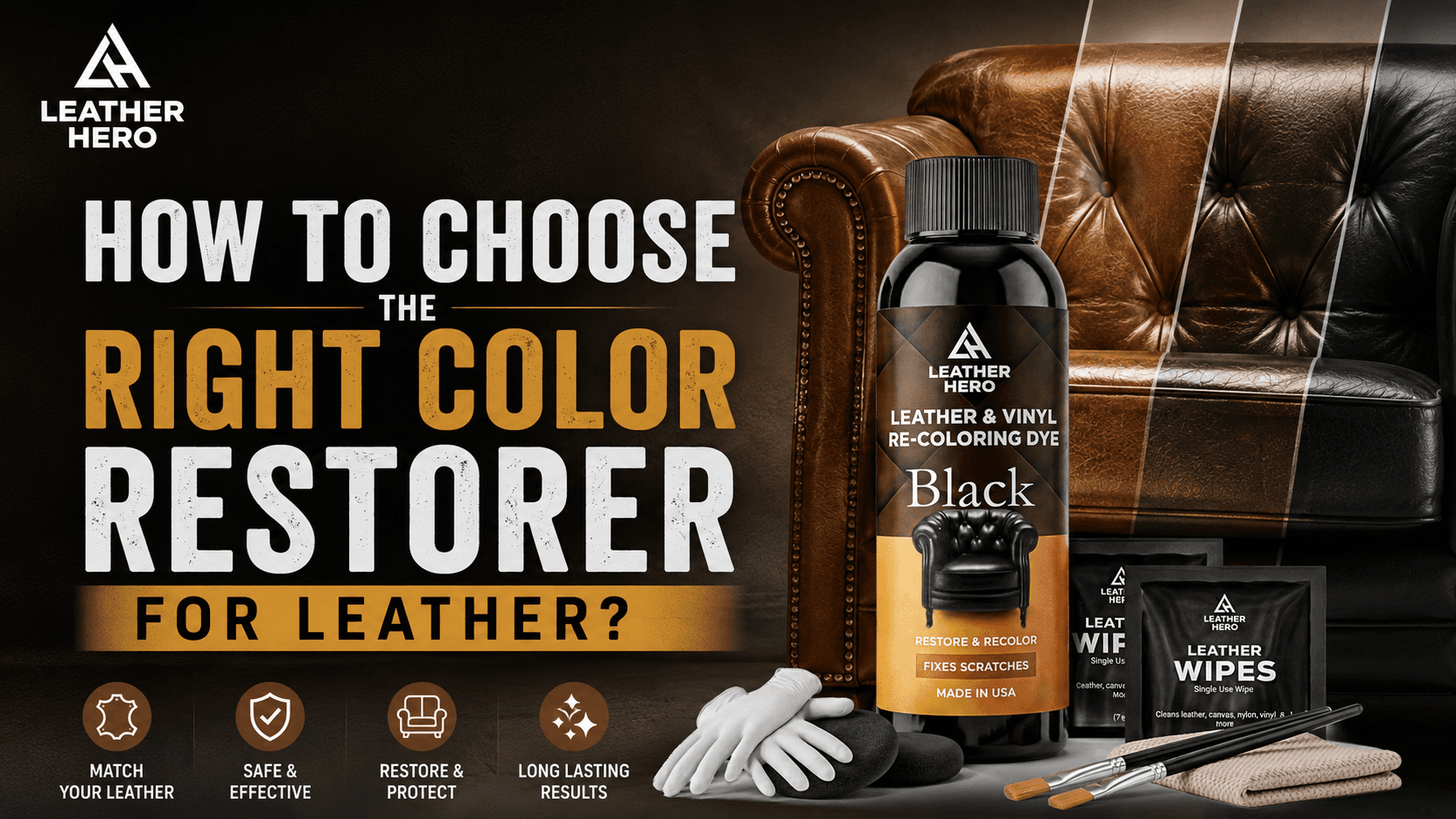
Match the product to the leather type, finish, and condition, then test it on a hidden area before full application.
Leather Hero Care NoteRecommended Product
Leather Hero Cleaner & Preparer
A focused product pick for the restoration steps in this guide.
Helpful References
EPA Mold Cleanup Guidance
Federal reference on safe mold cleanup practices and reducing moisture in storage spaces.
Why Leather Cleaner and Preparer Matters
Learn why a proper cleaner and preparer step matters before any leather restoration work.
Leather Restoration Products Guide
Compare cleaners, restorers, fillers, and finishes for a complete leather care routine.
Shop Leather Cleaning Products
Browse Leather Hero cleaners and care kits for removing mold, mildew, and musty odor.
Frequently Asked Questions
Can mold on leather be cleaned off safely?
Yes. Most mold on finished leather can be cleaned with a dry wipe followed by a leather-safe cleaner used in small sections, ideally in a ventilated area, without ruining the leather.
Will the musty smell go away after cleaning?
Usually, yes. Cleaning followed by a full day of airing out in a dry, ventilated space clears most musty odor, since it removes the residue mold feeds on.
Can I use bleach or a strong disinfectant on moldy leather?
No. Bleach and harsh disinfectants can discolor leather and damage the finish. Use a cleaner made for leather instead.
Is suede cleaned the same way as smooth leather for mold?
No. Suede and sheepskin absorb moisture differently and need a suede-specific cleaning kit and brush rather than a smooth-leather cleaner.
How do I stop mold from coming back on stored leather?
Store leather in breathable bags or ventilated boxes instead of sealed plastic, keep it in a dry area, and check stored items every few months for early signs of moisture.
Join The List
Leather Care, Delivered.
Get expert guides and exclusive offers in your inbox.