
Leather Color Restorer Guide: How to Fix Faded Leather Color
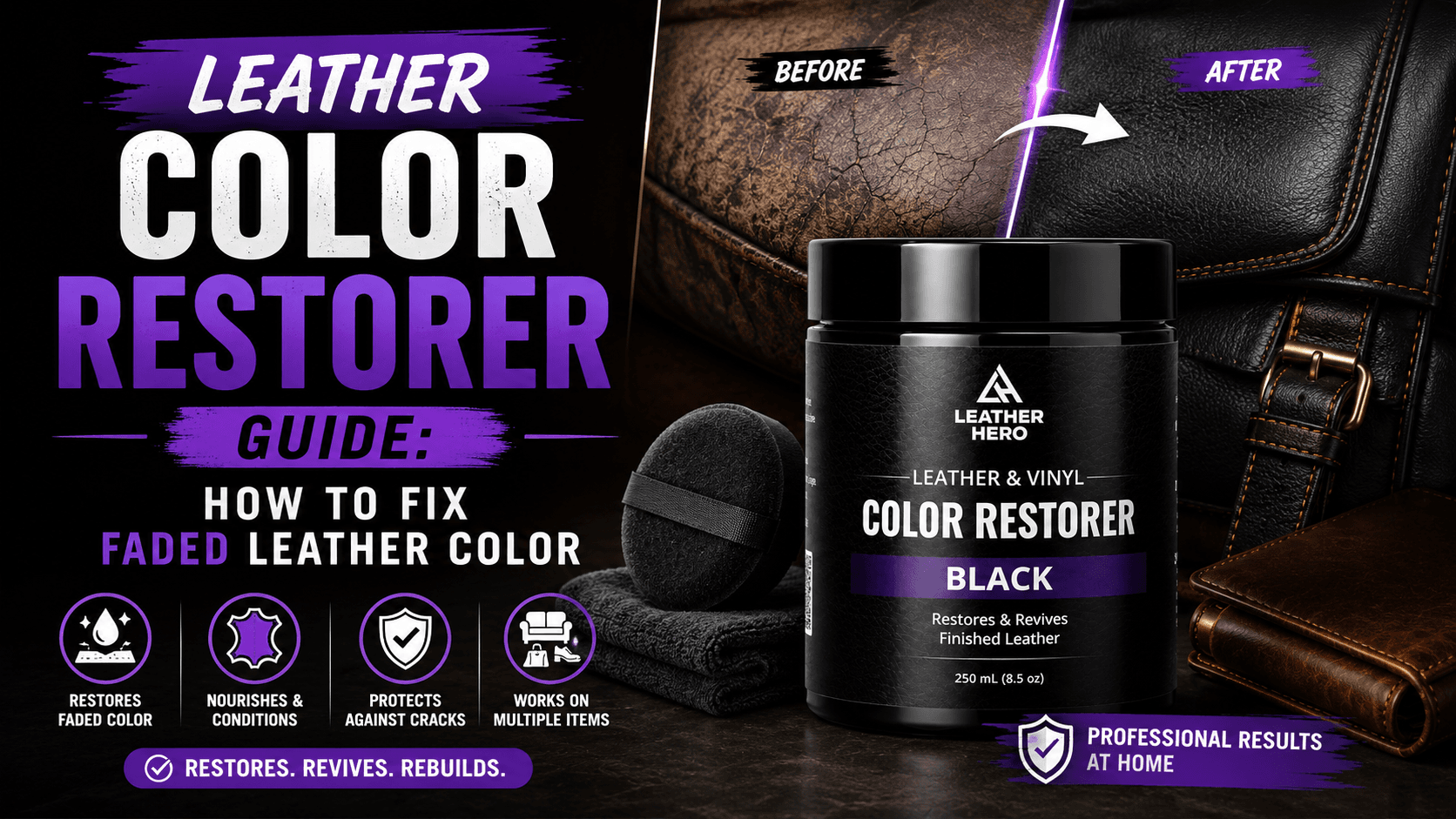
Leather color restorer is one of the most searched leather care products because fading is one of the most common leather problems. Black leather turns gray, brown leather loses depth, couch arms become pale, shoe toes scuff, purse handles fade, and car-seat bolsters look worn from repeated contact.
A good leather color restorer can improve those areas when the leather is still structurally sound. The key is to clean first, test the shade, apply thin coats, and protect the final color where the item gets friction.
Use leather color restorer when finished smooth leather has faded, scuffed, or lost pigment but is not deeply torn or peeling.
Clean and prepare the leather before adding color so oils, waxes, and dirt do not block even coverage.
Apply thin coats and let each coat dry before deciding whether more color is needed.
Use a compatible top coat on high-touch areas such as seats, steering wheels, couch arms, shoe toes, and handbag handles.
Restoration Flow
Clean the leather
Test the color
Apply thin coats
Seal high-use areas
When Leather Color Restorer Is the Right Product
Leather color restorer is best when the surface color has faded but the leather still feels mostly smooth and intact. It is useful for black leather that looks gray, dark brown leather that has become pale, and scuffed finished leather where the original color is still visible around the damaged area. The goal is not to cover the leather in a heavy painted layer. The goal is controlled color correction.
If the leather has open cracks, peeling, missing material, or rough edges that catch your fingernail, color alone is not enough. Repair those areas first with a filler or repair product, then restore the color after the surface is smooth and ready.
How to Prepare Faded Leather
Preparation is the difference between a clean restoration and a patchy one. Wipe away dust, clean the surface with a leather-safe cleaner, and allow the leather to dry fully. Body oil, old conditioner, wax, silicone, and general household cleaner residue can all prevent color from sitting evenly.
After cleaning, test the color in a hidden area. Let the test spot dry before judging it because wet color can look darker than the finished result. If the shade looks close, apply the restorer beyond the most faded spot and feather the edges so there is no hard line.
How Many Coats Should You Apply?
Most leather color restoration projects look better with several thin coats rather than one heavy coat. A thin first coat shows you how the leather accepts color. A second coat can even the tone. A third coat may be useful for heavier fading, but stop as soon as the surface looks natural.
Heavy application can hide grain, create stiffness, increase drying time, and raise the chance of transfer. Professional-looking restoration usually comes from patience: apply, dry, inspect, then decide.
How to Protect Restored Color
A top coat is especially helpful after restoring color on areas that receive friction. Think of steering wheels, driver seats, couch arms, shoe toes, bag handles, and jacket cuffs. These areas are touched, rubbed, cleaned, and flexed more often than decorative areas.
Choose the top coat finish based on the final look you want. Matte reduces shine, satin gives a balanced natural sheen, and gloss creates a brighter polished look. Always test finish products before applying them across a visible surface.
Best Surfaces for Leather Color Restorer
Leather color restorer is most useful on finished smooth leather: furniture, shoes, boots, handbags, jackets, steering wheels, and car seats where the original color has become lighter from friction, sunlight, age, or repeated cleaning. These surfaces usually have a protective finish that can be cleaned, refreshed, and recolored in controlled layers. The restorer works best when there is still enough original finish for the repair to blend into the surrounding area.
It is less suitable for suede, nubuck, raw absorbent leather, or heavily peeling bonded leather unless a product specifically says it is made for those materials. Suede and nubuck can darken or flatten when treated like smooth leather. Peeling bonded leather may need replacement or a different repair approach because the surface layer itself is failing. Matching the product to the surface protects the item and makes the final result more professional.
How to Make the Restored Area Blend Naturally
Blending is where many leather color projects succeed or fail. Do not apply restorer only to the exact pale spot and stop at a hard edge. Instead, feather the product slightly beyond the faded area so the transition looks gradual. Work with good light, use a small amount of product, and inspect the surface from several angles after each coat dries. If the repaired area starts to look too dark, stop and let it cure before deciding whether more work is needed.
Texture also affects blending. Grainy furniture leather, smooth handbags, polished shoes, and automotive leather all reflect light differently. A color that looks perfect while wet may dry flatter or darker. That is why hidden-area testing and thin layers matter. They give you control over tone, sheen, and coverage before the product is visible on the main surface.
Color Restorer for Furniture, Shoes, Bags, and Car Interiors
Furniture restoration usually involves large surfaces, so the most important rule is even preparation. Clean the full panel or cushion section, not only the faded spot, because oils and residue can create uneven absorption. Apply color in broad, controlled passes and feather into the surrounding area. On couch arms and seat cushions, top coat is helpful because those areas are touched and rubbed every day.
Shoes and boots are smaller but more detailed. Pay attention to seams, toe creases, welt edges, and areas where polish or wax may already be present. Handbags often fade on handles and corners, where skin oils and friction are strongest. Car interiors need careful work because seat bolsters, steering wheels, and armrests receive constant contact from clothing and hands. In all four cases, the same sequence applies: clean, test, restore in thin coats, dry, inspect, and protect if the surface gets regular use.
How to Maintain Leather After Color Restoration
After the color looks even, maintenance becomes the reason the repair lasts. Keep restored leather away from harsh household cleaners, alcohol wipes, and abrasive pads. Dust and wipe the surface gently, clean spills quickly, and avoid letting body oil build up on arms, handles, and headrests. If the item sits in direct sun, rotate cushions or protect the area when possible because UV exposure is one of the reasons leather fades in the first place.
Do not over-condition freshly restored leather. Too much product can soften the finish, attract dust, or change the sheen. A light maintenance routine is better than frequent heavy treatment. When the leather starts to look dull again, clean it first before assuming it needs more color. Often the surface only needs grime removed to look fresher.
Conclusion
Leather color restorer is a strong choice for faded finished leather when the main problem is color loss, not deep physical damage. Clean first, test the shade, build color with thin coats, and protect high-use areas with a top coat.
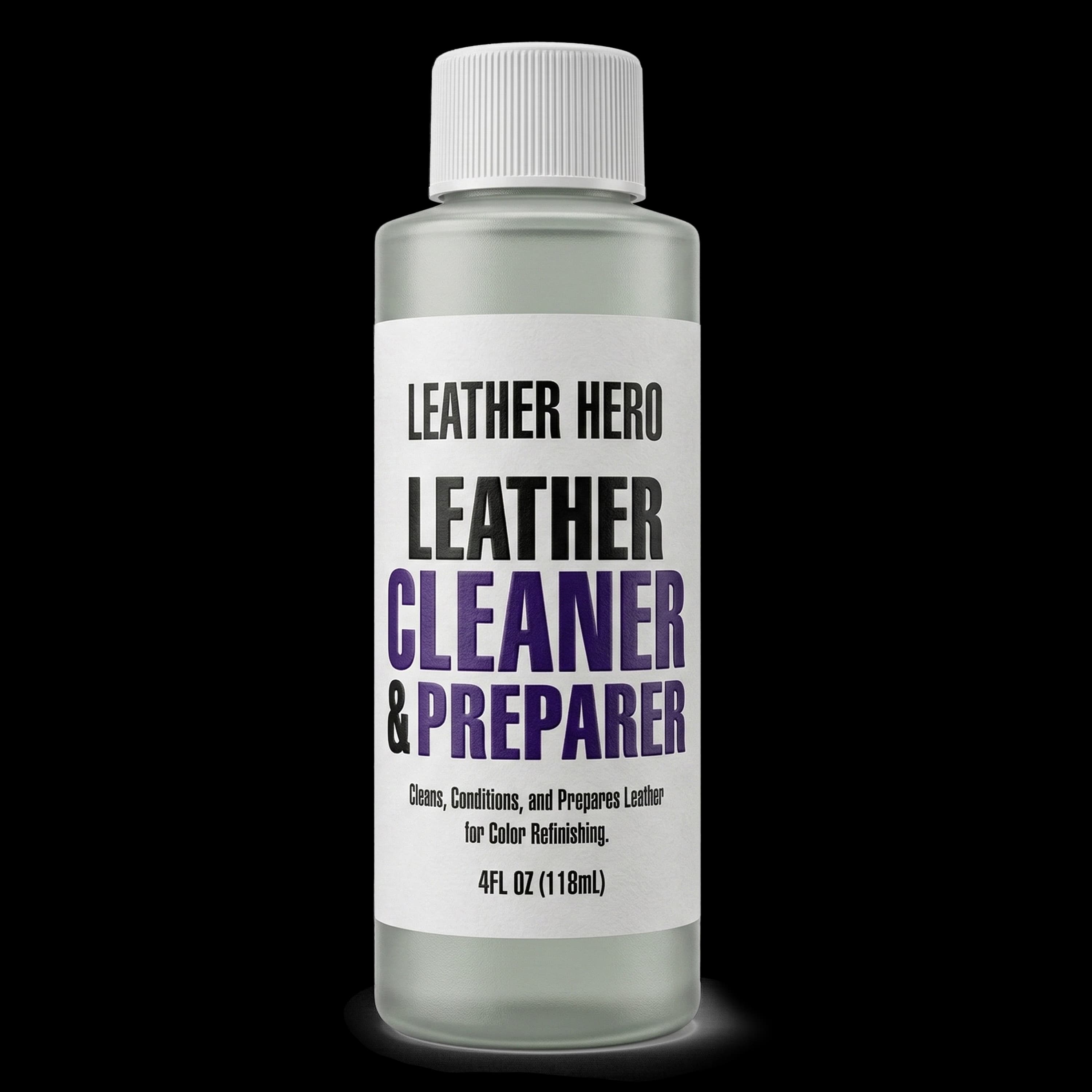
For Leather Hero shoppers, start with the closest color restorer kit, then pair it with cleaner/preparer and a finish coat when durability matters.
Match the product to the leather type, finish, and condition, then test it on a hidden area before full application.
Leather Hero Care Note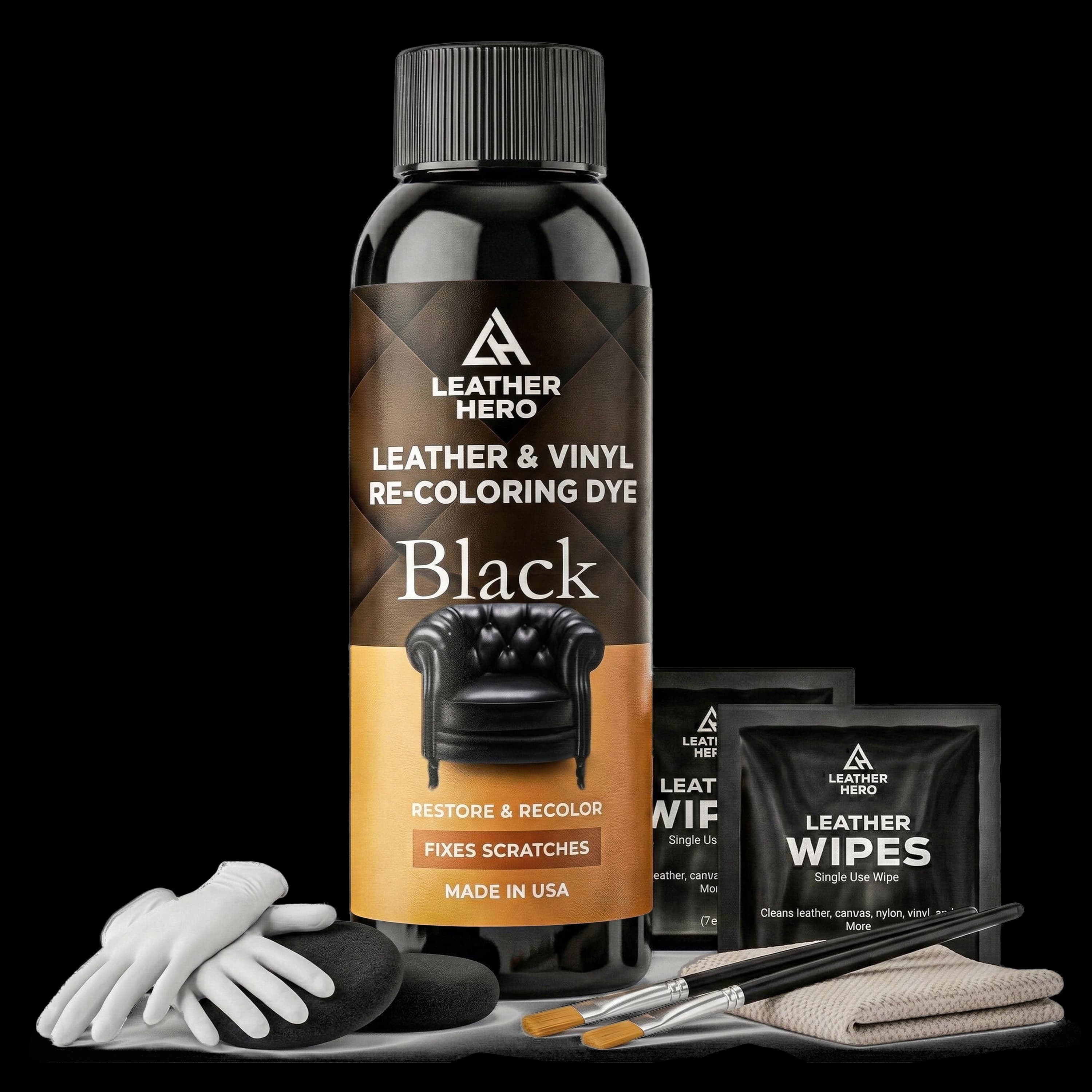
Recommended Product
Leather Hero Color Restorer Kit - Black
A focused product pick for the restoration steps in this guide.
Helpful References
Frequently Asked Questions
Does leather color restorer really work?
It can work well on faded finished leather when the surface is cleaned first, the color is matched closely, and thin coats are applied correctly.
Can leather color restorer fix cracks?
It can improve the look of light surface wear, but open cracks or missing material need filler or repair before color restoration.
How many coats of leather color restorer do I need?
Many projects need two thin coats, but the right number depends on fading, color match, and coverage. Let each coat dry before applying another.
Should I seal leather after using color restorer?
A top coat is recommended for high-friction areas because it helps protect the restored color from wear and cleaning.
Join The List
Leather Care, Delivered.
Get expert guides and exclusive offers in your inbox.