
Leather Restoration Products Guide: Cleaner, Filler, Color Restorer, or Top Coat?
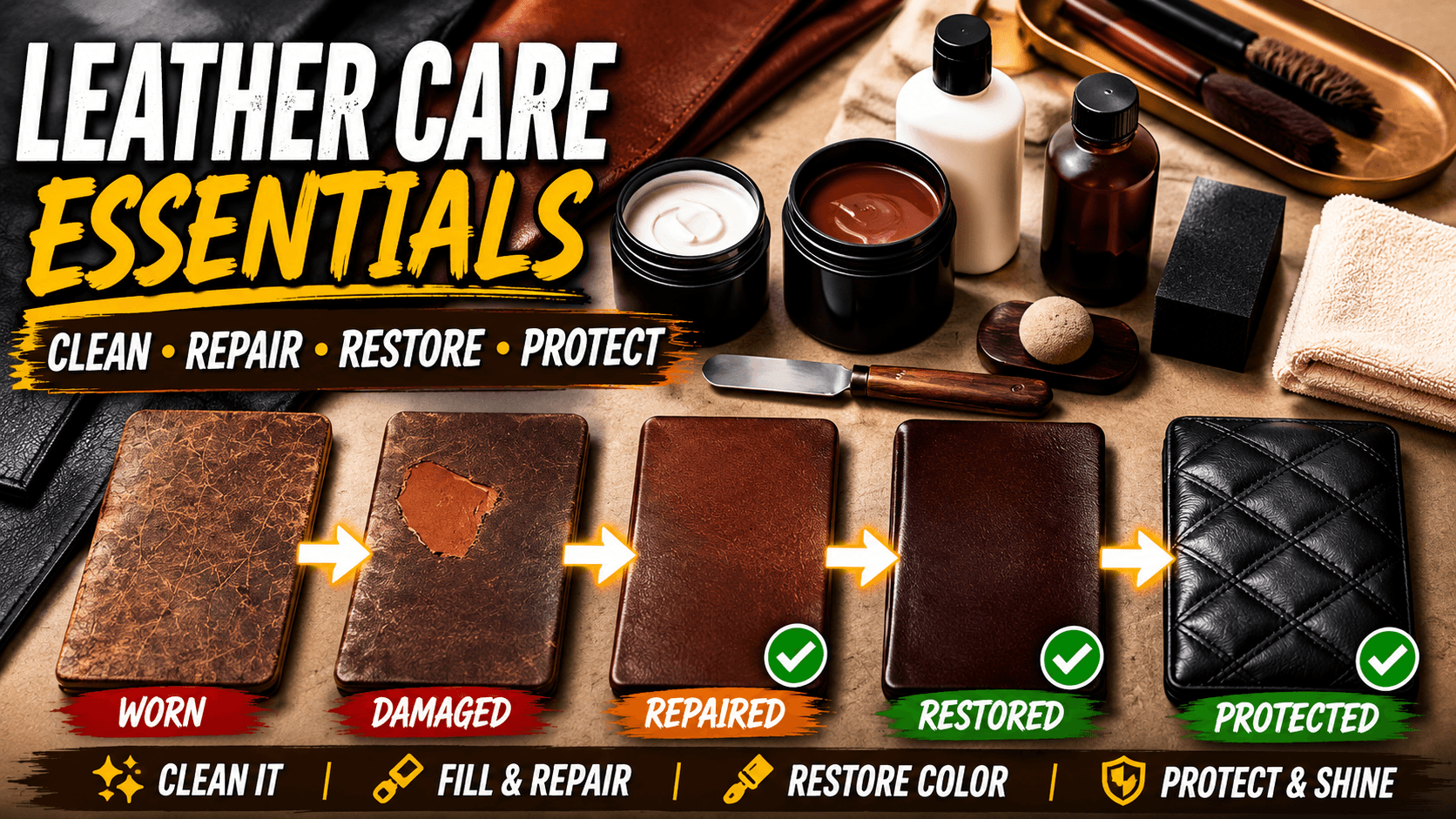
Leather restoration products can feel confusing because many labels promise a better-looking surface, but each product has a different job. A cleaner removes grime. A filler repairs texture. A color restorer brings back pigment. A top coat protects the final finish. A conditioner or care balm may improve feel and maintenance. When those roles get mixed up, projects become patchy, sticky, too shiny, or short lived.
The easiest way to choose products is to diagnose the leather before buying. Ask what is actually wrong: dirt, dryness, scratches, cracks, fading, peeling, or a finish that needs protection. Then match one product to one job. This guide gives you a simple product map so you can build a restoration routine instead of collecting bottles that overlap.
Leather cleaner or preparer comes first because residue can block filler, color, and top coat from applying evenly.
Use filler or repair products when the leather has cracks, gouges, peeling edges, or missing surface material.
Use color restorer when the surface is smooth enough but the pigment has faded, scuffed, or worn away.
Use top coat after color restoration on high-touch areas that need protection from friction, cleaning, and daily handling.
Restoration Flow
Clean the surface
Repair texture damage
Restore faded color
Seal the finish
Visual Guide
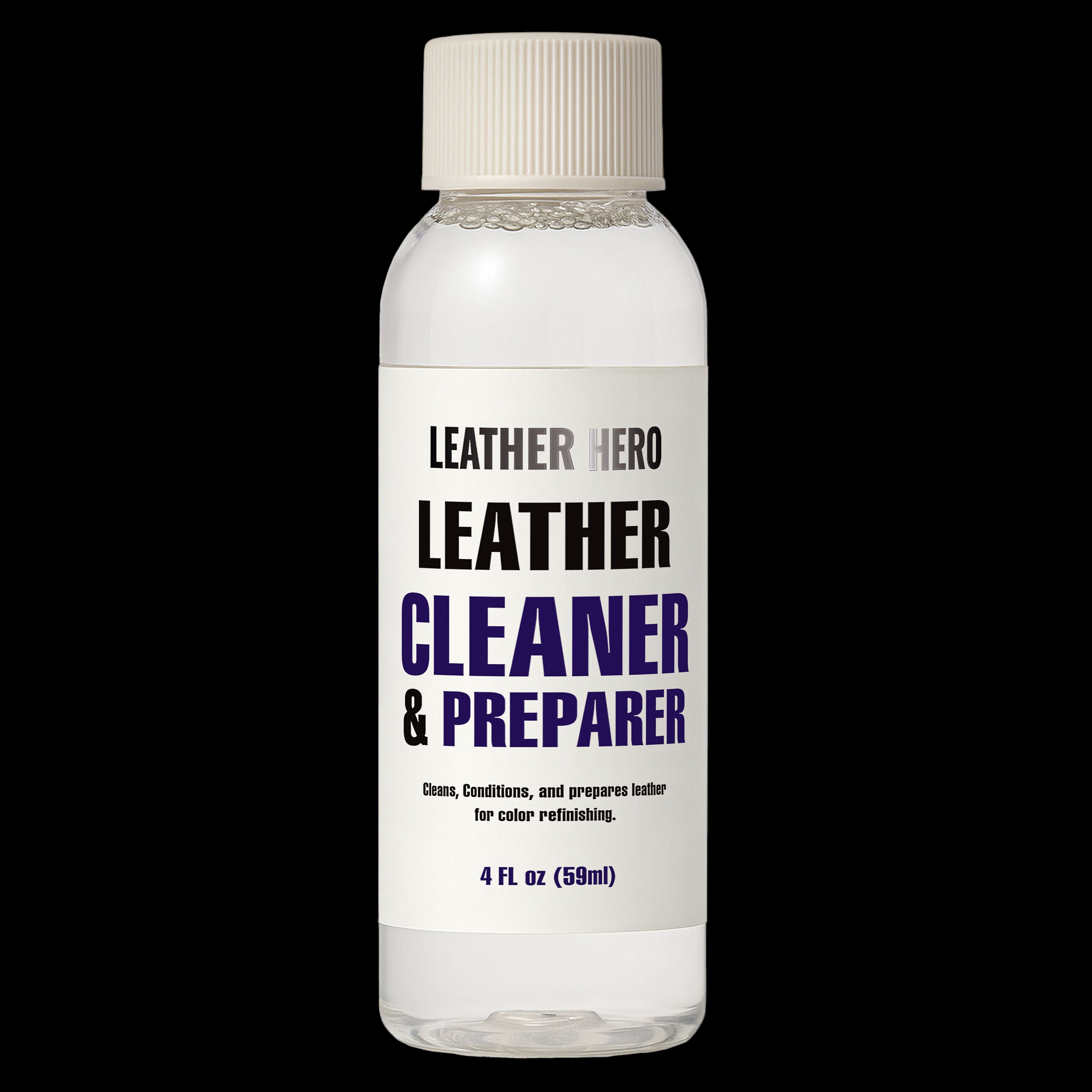
Cleaning Product
Cleaner and preparer products help remove surface buildup before filler, color, or top coat touches the leather.
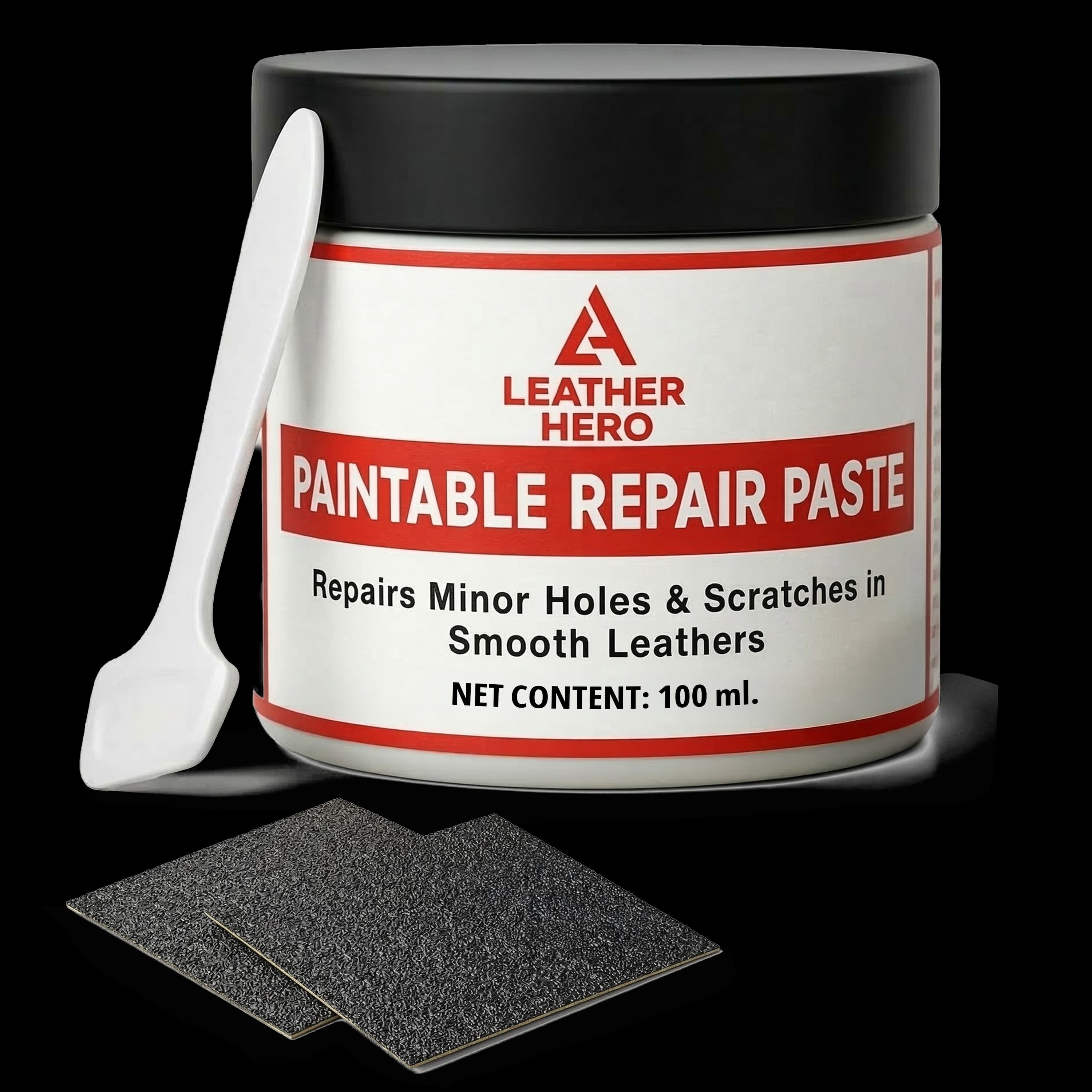
Repair Product
Filler belongs before color when the leather has missing material, rough cracks, gouges, or lifted finish edges.
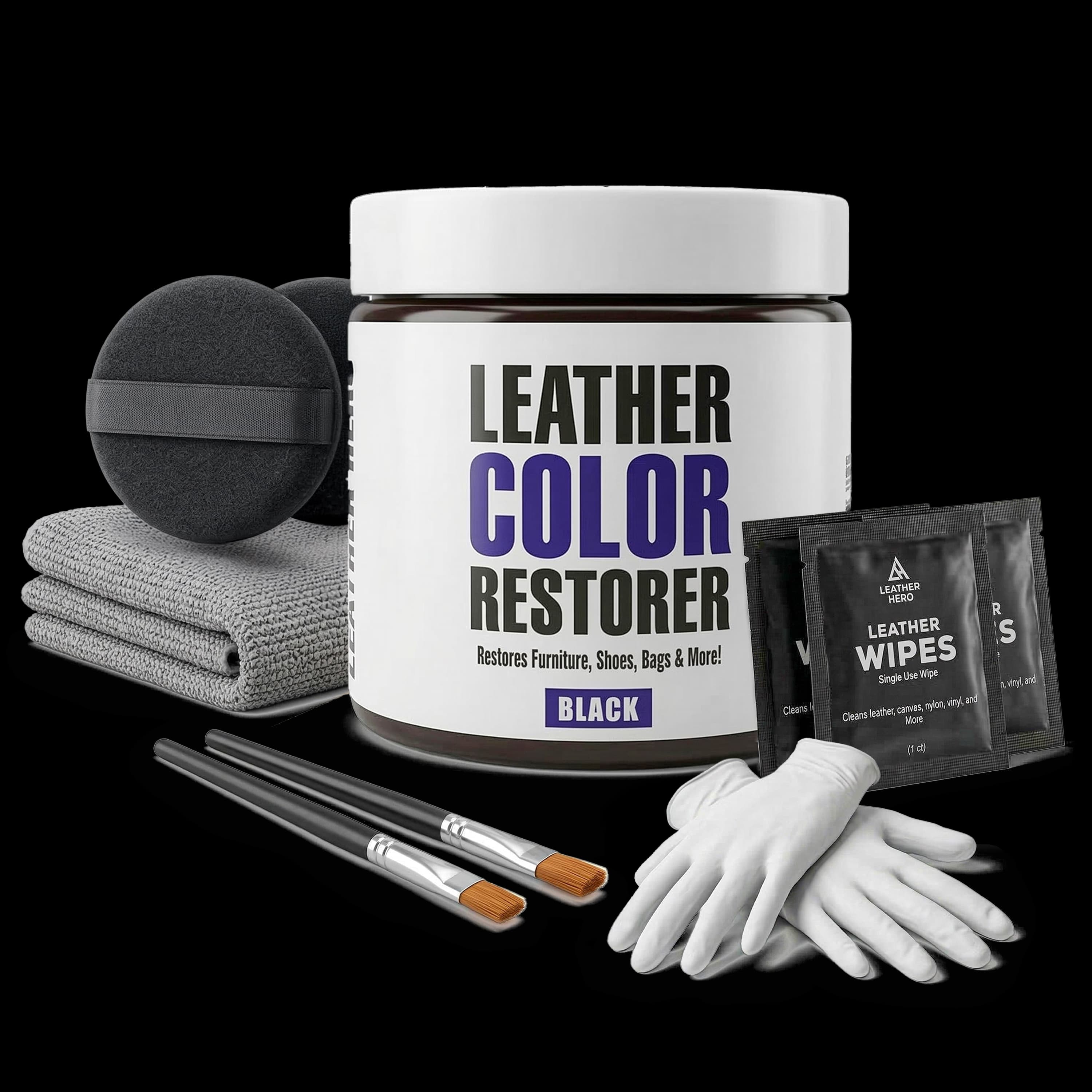
Color Product
Color restorer is for finished smooth leather that has lost pigment but is clean, dry, and ready for thin coats.
Protection Product
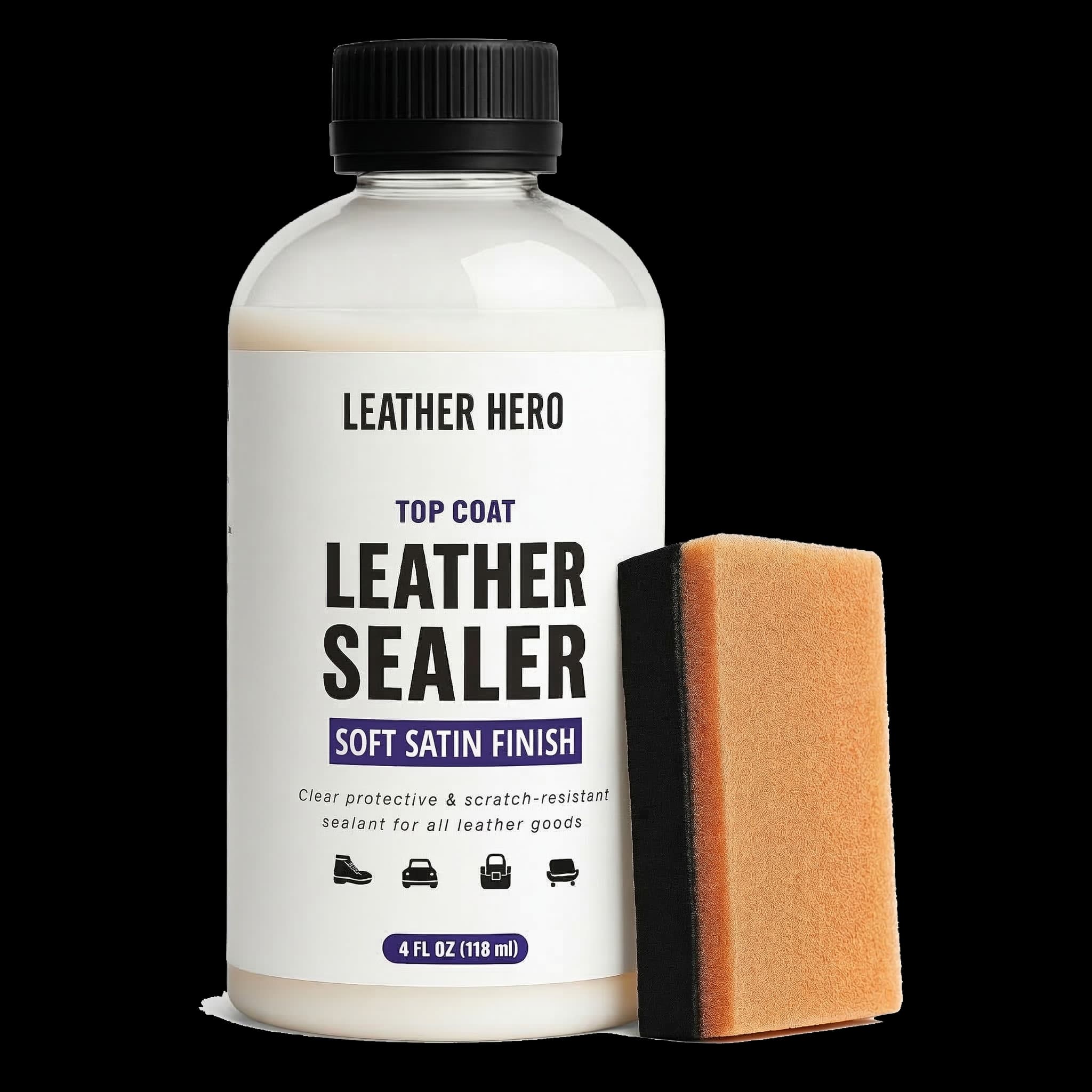
A top coat helps protect restored color and match the final sheen, especially on seats, arms, handles, and shoes.
Start With the Problem, Not the Product
The best leather restoration product is the one that solves the specific problem in front of you. If the leather is dirty, color will not fix the dirt. If the leather is cracked, conditioner will not fill the cracks. If the color is gone, cleaner may improve the surface but will not replace pigment. Good restoration starts by separating the symptoms.
Look at the item in natural light. Identify whether you see soil, faded color, scratches, cracks, peeling, stiffness, or uneven shine. Touch the surface carefully. Smooth fading points toward color restoration. Rough damage points toward repair. Sticky or oily areas point toward cleaning. This quick diagnosis saves money and prevents product buildup.
Cleaner and Preparer
Cleaner is the first product in most restoration routines. Leather collects dust, skin oil, conditioner residue, wax, spills, and household film. These layers can make leather look dull and can stop later products from bonding evenly. A leather-safe cleaner or preparer clears the surface so you can see the real condition.
Use controlled moisture and a soft cloth or sponge. Avoid soaking seams, perforations, and delicate panels. Let the leather dry before moving to repair or color. If cleaning alone makes the item look good again, you may be able to stop there and avoid unnecessary pigment work.
Filler and Repair Products
Filler is for texture problems. Use it when the surface has cracks, gouges, missing material, small holes, or rough edges that would show through color. Color restorer can change tone, but it cannot flatten a raised crack or rebuild a worn edge. Repair products prepare the surface so color can look smooth and intentional.
Apply filler in thin layers according to product directions. Thick repairs are harder to blend and may crack or look raised. Let each layer dry before adding another. Once the repaired area feels smooth enough, color can be feathered over the repair and into the surrounding leather.
Leather Color Restorer
Color restorer is for pigment loss. It is useful when black leather turns gray, brown leather becomes pale, couch arms lose depth, shoe toes scuff, or car bolsters fade from repeated contact. The surface should be clean, dry, and reasonably smooth before you begin.
Apply thin coats and inspect after each dry period. The goal is to restore color without hiding grain or creating a painted layer. Work beyond the exact faded spot so the edge blends naturally. If the item has several panels, complete one logical panel at a time instead of dotting color randomly across the surface.
Top Coat and Sealer
Top coat is the finishing product. It helps protect restored color from handling, friction, cleaning, and daily use. It can also adjust the sheen so the repaired area matches the rest of the item. Matte, satin, and gloss are not just style choices; they change how light catches the leather.
Use top coat especially on high-touch areas such as steering wheels, driver seats, couch arms, shoe toes, bag handles, and jacket cuffs. Let color dry before sealing. Apply top coat thinly and evenly, then allow curing time before heavy use. A rushed final step can undo careful cleaning and color work.
Conditioner, Balm, and Maintenance Products
Conditioners and balms can help leather feel better and stay more flexible, but they are not substitutes for repair or pigment. They belong in maintenance routines and in certain restoration projects where dryness is part of the problem. The key is moderation. Too much conditioning can leave residue or attract dirt.
Finished leather often needs gentle cleaning and protection more than heavy oil. Suede, nubuck, aniline, and unfinished leather need different care from smooth finished leather. Always match the product to the leather type, and test in a hidden area before applying anything across a visible panel.
The Right Product Order
For many smooth leather projects, the order is simple: clean, repair, color, protect, maintain. Cleaning removes the barrier. Repair fixes texture. Color restores pigment. Top coat protects the work. Maintenance keeps the item from returning to the same condition too quickly.
Do not jump to the step that looks most satisfying. Color can feel like the dramatic part, but it performs better after cleaning and repair. Top coat can feel like the final shine, but it should not seal in dirt or uncured color. The order is what turns separate products into a system.
Choosing Products by Leather Item
Furniture often needs even cleaning, color blending across large panels, and top coat on seats and arms. Car interiors need careful work around stitching, trim, perforations, and steering wheels. Shoes need controlled color on toes and flex points. Handbags need special attention to handles, corners, and hardware. The same product category may be used differently on each item.
If the item is expensive, sentimental, or delicate, test slowly and consider professional help for major damage. Home restoration is strongest when the leather is finished, smooth, and still structurally stable. Severe peeling, rotted leather, and torn seams may need upholstery repair before products can help.
Buying Checklist
Before buying, write down the leather type, item color, finish level, damage type, and the areas that get the most friction. Choose a cleaner first if you do not already have one. Add filler only if there is texture damage. Add color restorer only if pigment is missing. Add top coat if the restored area will be handled, sat on, cleaned, or flexed often.
Avoid buying several overlapping products because the labels sound similar. A small, logical kit often performs better than a crowded shelf. The right mix is the one that matches your project: cleaner for buildup, filler for damage, color for fading, and top coat for protection.
Conclusion
Leather restoration products make more sense when each one has a clear job. Cleaner prepares the surface, filler repairs texture, color restorer returns pigment, top coat protects the finish, and maintenance products help keep leather comfortable and cared for.
Start with the leather problem and build the routine around it. That approach helps you avoid heavy buildup, patchy color, and wasted product. For finished smooth leather, the clean-repair-color-protect sequence is the most reliable way to make restoration look deliberate instead of improvised.
Match the product to the leather type, finish, and condition, then test it on a hidden area before full application.
Leather Hero Care Note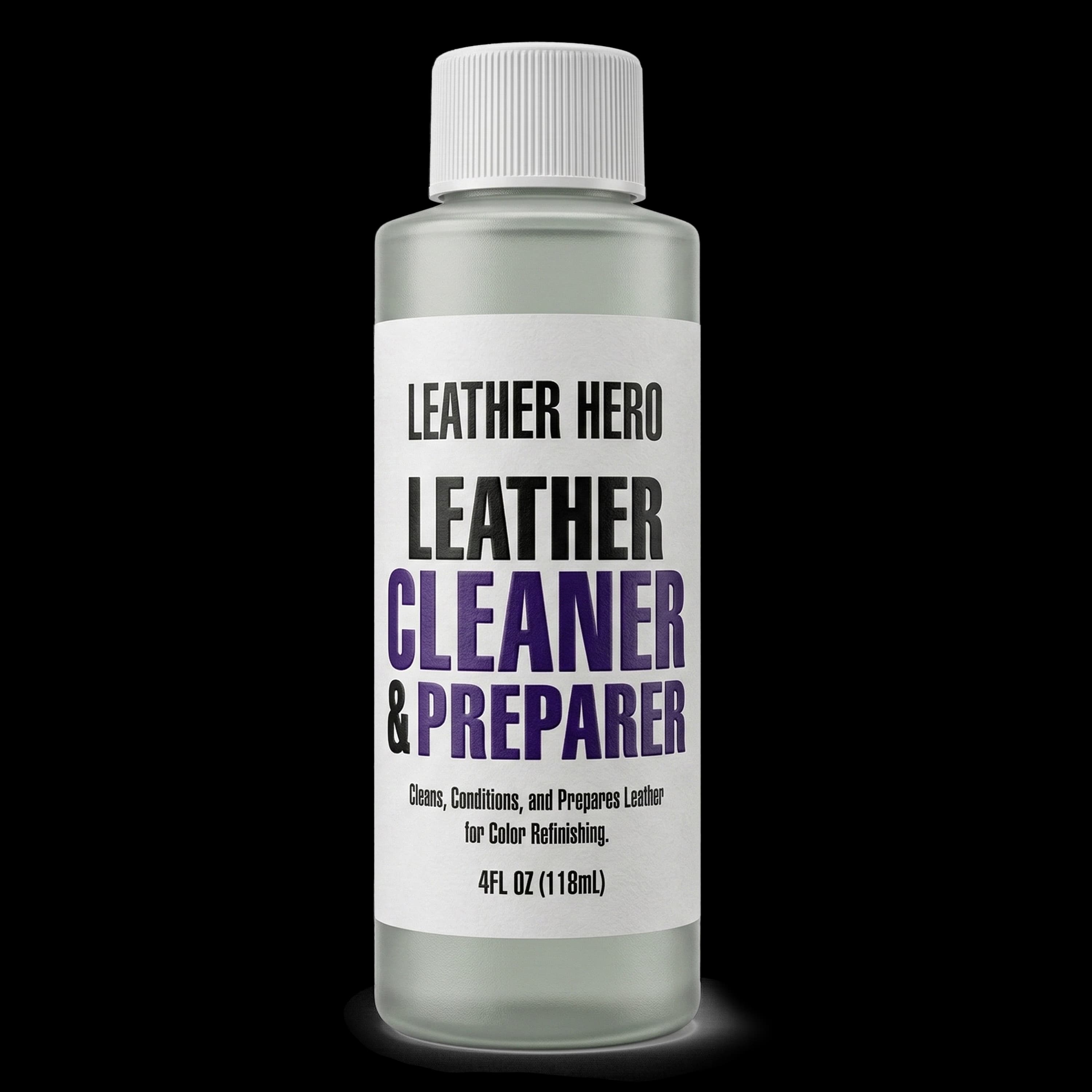
Recommended Product
Leather Hero Cleaner & Restorer
A focused product pick for the restoration steps in this guide.
Helpful References
Frequently Asked Questions
What leather restoration product should I use first?
Start with a leather-safe cleaner or preparer. A clean surface helps you see the real damage and helps repair, color, and top coat products apply more evenly.
Do I need filler before leather color restorer?
Use filler first when the leather has cracks, gouges, missing material, or rough edges. If the surface is smooth and only faded, color restorer may be enough.
Is top coat required after restoring leather color?
Top coat is recommended for high-use areas because it helps protect restored color from friction, cleaning, and handling.
Can one leather product clean, repair, recolor, and seal?
Some products combine light benefits, but serious restoration usually works better when each product handles one job: clean, repair, color, or protect.
What products do I need for a faded leather couch?
A typical faded finished leather couch may need cleaner, color restorer, and top coat. Add filler only if the couch has cracks, gouges, or rough damaged areas.


Join The List
Leather Care, Delivered.
Get expert guides and exclusive offers in your inbox.