
Complete Leather Couch Restoration Guide: Clean, Recolor, Seal, and Maintain
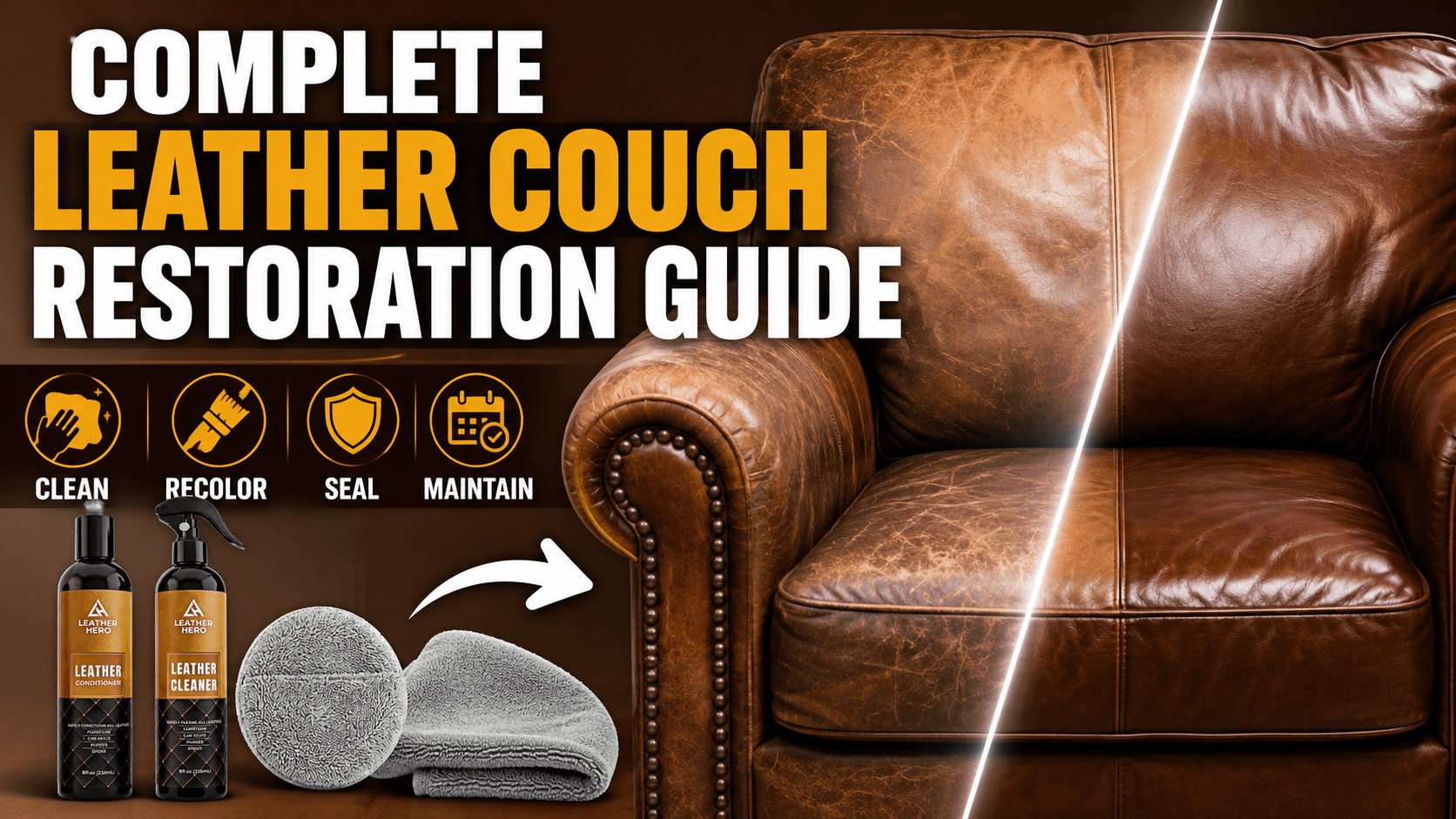
A leather couch usually fades slowly. One year the armrest looks a little dull, then the seat cushion loses depth, then the whole piece starts to look tired even though the leather itself is still comfortable and structurally sound. That is the moment when many owners wonder whether the couch needs to be replaced, professionally refinished, or restored at home.
The good news is that many finished leather couches can be improved with a careful restoration routine. The key is to treat restoration as a sequence, not a single miracle wipe. Clean the surface, inspect the damage, repair rough areas, restore color in thin layers, protect the finish, and maintain the leather before it becomes dry again.
A faded leather couch can often be restored when the surface is still intact and the damage is mostly color loss, dryness, grime, or light scuffing.
Cleaning and preparation come before color. Dirt, skin oil, wax, and old conditioner can block even color coverage.
Thin coats of restorer look more natural than one heavy layer, especially on couch arms, cushions, and high-friction seating areas.
A compatible top coat helps protect restored color on furniture that is used daily.
Restoration Flow
Inspect the couch
Clean and prepare
Restore thin color layers
Seal and maintain
Start With a Realistic Inspection
Before opening any product, look at the couch in strong natural light. Separate the problems into groups: surface dirt, fading, scratches, cracks, peeling, loose seams, and areas that feel rough or sticky. Color restoration is excellent for fading and scuffing, but it is not a substitute for structural repair. If the leather is torn, flaking badly, or missing material, those areas need repair work before color can look even.
Check the type of leather as well. Most household leather couches are finished leather, which means they have a protective surface coating and can often accept cleaner, restorer, and top coat products designed for smooth leather. Suede, nubuck, aniline, and very delicate designer leathers are different. They absorb moisture and color more unpredictably, so always test a hidden area before treating a visible cushion or arm.
Clean Before You Restore
Cleaning is the step people are most tempted to rush, yet it decides how professional the final result will look. A couch collects body oil, dust, food residue, pet contact, conditioner buildup, and invisible household film. If those layers remain on the surface, color can grab in patches or sit on top of contamination instead of bonding evenly.
Use a leather-safe cleaner and a soft cloth or sponge. Work in small sections, especially around the headrest, armrests, front cushion edges, and seat panels. Avoid soaking the couch. Moisture should help lift grime, not flood the leather. After cleaning, let the leather dry fully. Restoration products applied over damp leather can streak, dilute, or cure unevenly.
Repair Rough Areas Before Adding Color
Run your fingers lightly across the worn areas. If you feel scratches that catch, small cracks, or thin spots where the finish has lifted, address those first. A color restorer can visually improve scuffs, but it will not flatten torn edges or rebuild missing leather. For deeper damage, use an appropriate filler or repair product, then sand or smooth only as directed by that product.
This step matters most on cushion fronts and arm edges because those areas receive constant friction. If rough texture remains, the restored color may highlight the damage instead of hiding it. When the surface feels smooth and clean, the color stage becomes easier and the finished couch looks more intentional.
Choose the Closest Color Match
Leather couches rarely fade evenly. The seat may be lighter than the back, and the armrest may be grayer than the side panel. Choose the color based on the original protected area, such as the back of a cushion, the lower side panel, or a spot that has not been exposed to sunlight and body contact. That protected color is usually closer to what the couch looked like when new.
If the couch is between shades, it is safer to build color slowly than to force one heavy coat. Test a hidden area and let it dry before judging the match. Wet color often appears darker, so patience prevents overcorrection. Feather the color beyond the faded patch so the transition blends into the surrounding leather.
Apply Restorer in Thin Layers
Use a foam applicator, sponge, or soft cloth depending on the product directions. Apply a small amount and spread it thinly. Think of the first coat as a guide coat: it shows how the leather receives color and reveals areas that need more attention. Let it dry, inspect the couch from several angles, then decide whether a second coat is needed.
Most couch projects look better with two or three light coats than one thick application. Heavy coats can hide grain, create a plastic look, or leave excess product on the surface. Thin coats give you control. They also make it easier to keep the seat cushions flexible and comfortable after restoration.
Seal High-Use Areas
A top coat is especially helpful on a family couch because restored color has to survive daily sitting, clothing friction, cleaning, pets, and skin contact. Sealing is not always about adding shine. It is about protecting the color and giving the surface a more consistent finish.
Choose matte, satin, or gloss based on the couch's original look. Matte gives a flatter modern finish, satin looks natural on many furniture pieces, and gloss is best for leather that originally had a polished surface. Apply sparingly and evenly. Let the couch cure before heavy use so the finish has time to settle.
Maintain the Couch After Restoration
Once the couch looks better, the goal is to keep it from sliding back into dryness and uneven wear. Dust it weekly with a soft cloth. Clean spills quickly. Keep the couch away from direct sun when possible, or use curtains during the brightest part of the day. Sun exposure is one of the biggest reasons leather furniture fades.
Condition only when the leather needs it and only with products suited to the leather type. Too much conditioner can attract grime or soften the finish in a way that makes color transfer more likely. A simple schedule of light cleaning, careful conditioning, and quick spot care is usually better than dramatic rescue work once a year.
Common Couch Restoration Mistakes to Avoid
The most common mistake is applying color before the couch is truly clean. The second is using too much product because the first coat looks lighter than expected. Restoration color often deepens as it dries and becomes more even after a second thin coat, so heavy application can create problems that patience would have prevented.
Avoid household cleaners, rough scrub pads, and oily shortcuts. Products that make leather look darker for a day are not always repairing the finish. Some leave residue that attracts dirt or interferes with later restoration. Keep the process controlled, use leather-specific products, and test every major step before treating the most visible panel.
Conclusion
A leather couch does not need to look new to look loved, but it should look clean, even, and cared for. Restoration works best when you slow the process down: inspect the leather, clean it properly, repair rough damage, restore color in thin coats, and protect high-touch areas with a suitable top coat.
If the couch is finished leather and the structure is still sound, this routine can bring back depth, reduce visible wear, and extend the life of a piece that already fits your room. Test first, work patiently, and let each layer dry before making the next decision.
Match the product to the leather type, finish, and condition, then test it on a hidden area before full application.
Leather Hero Care Note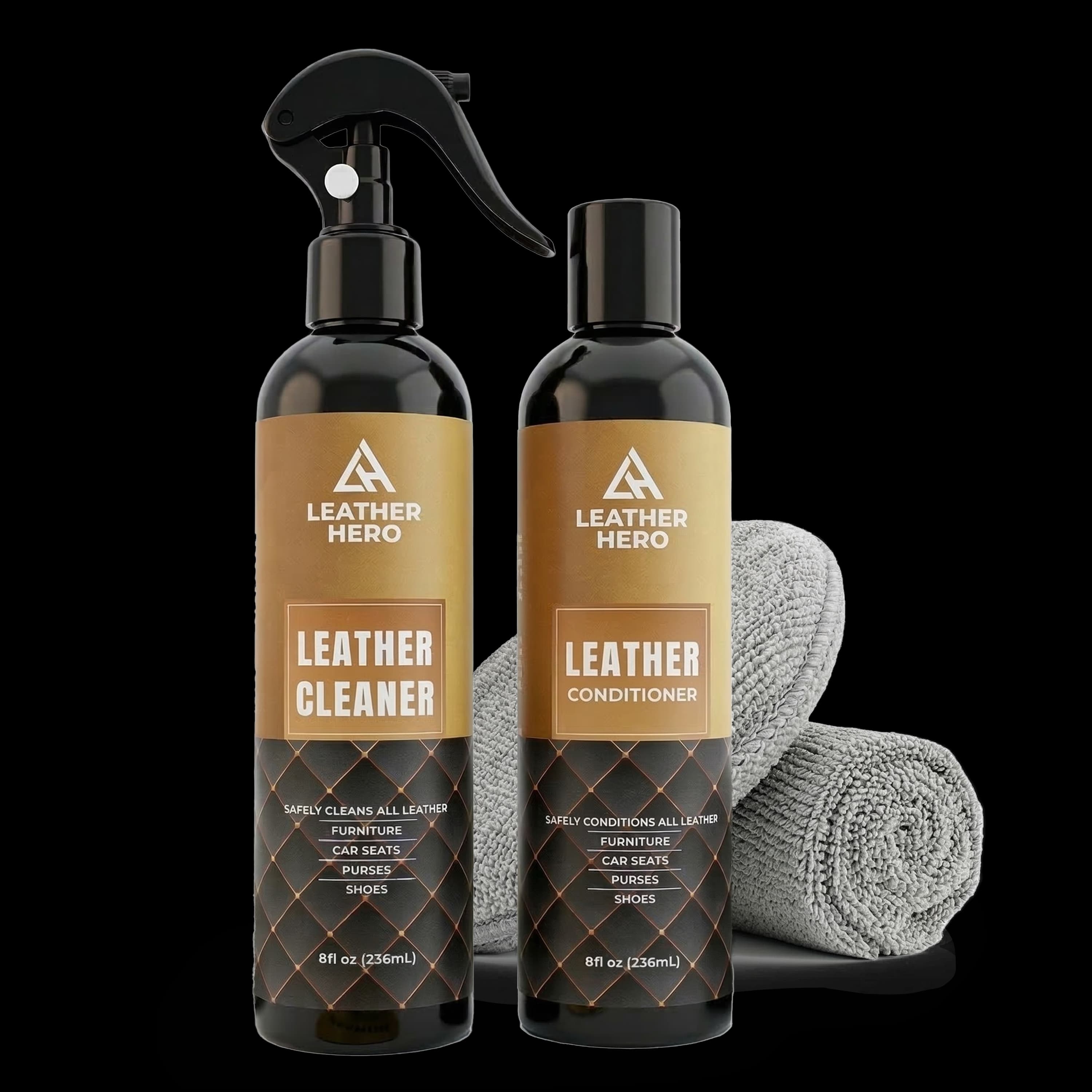
Recommended Product
Leather Hero Leather Care Kit
A focused product pick for the restoration steps in this guide.
Helpful References
Frequently Asked Questions
Can I restore a leather couch at home?
Yes, many finished leather couches can be restored at home when the main issues are fading, dullness, light scuffs, or surface dryness. Deep tears, severe peeling, and broken seams may need repair before color restoration.
How many coats of leather color restorer should I use on a couch?
Use thin coats and stop when the color looks even. Many couch projects need two light coats, while heavily faded areas may need a third after drying and inspection.
Should I seal a restored leather couch?
A top coat is recommended for high-use furniture because it helps protect restored color from friction, cleaning, and daily contact.
Can leather conditioner fix faded couch color?
Conditioner can improve dryness and feel, but it usually cannot replace lost pigment. Faded finished leather normally needs color restoration for a true visual change.

Join The List
Leather Care, Delivered.
Get expert guides and exclusive offers in your inbox.