
How to Care for Sheepskin Boots in Snow Season
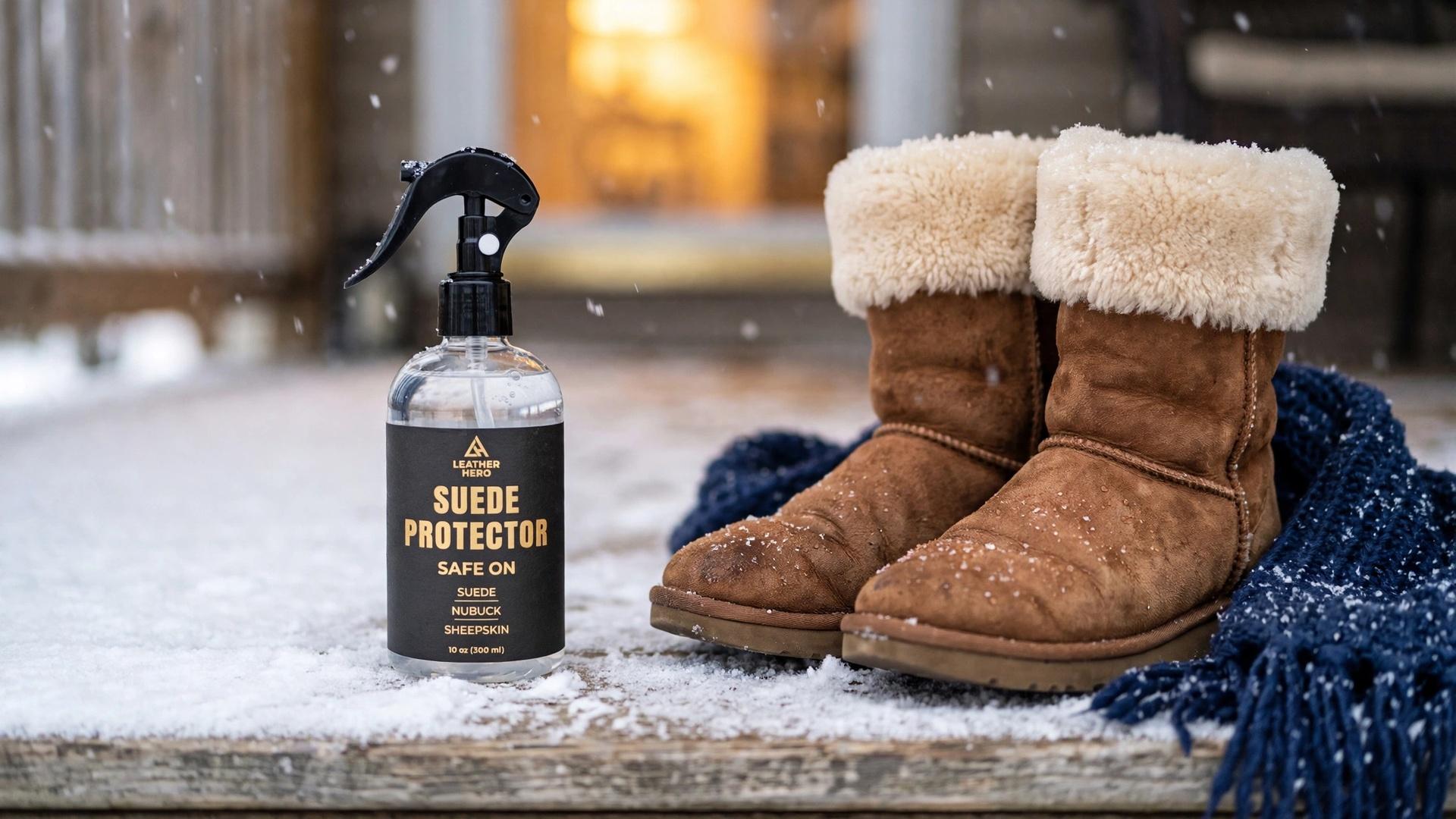
Sheepskin boots make cold mornings more comfortable, but snow season asks a lot of their soft suede exterior and warm lining. A short walk across a salted pavement can leave pale marks around the toes. Melting snow can darken a panel, and putting damp boots beside a heater can make a manageable cleaning job much worse. Good care starts with understanding what your boots can handle and giving them time to dry between outings.
This guide covers preparation, everyday cleaning, salt marks, drying, protection, and storage. It is written for genuine sheepskin boots with a suede exterior; smooth leather, synthetic materials, decorative finishes, and waterproof winter styles may require different treatment. Read the footwear label first, then choose a product specifically compatible with that material. The goal is to preserve the boots you have, with a routine you can realistically repeat throughout winter.
Check whether your boots are designed for snow; warmth and waterproof construction are different features.
Remove snow promptly, clean with compatible sheepskin products, and dry away from direct heat.
Apply protector only to clean, dry boots and allow the full label drying time.
Visual Guide
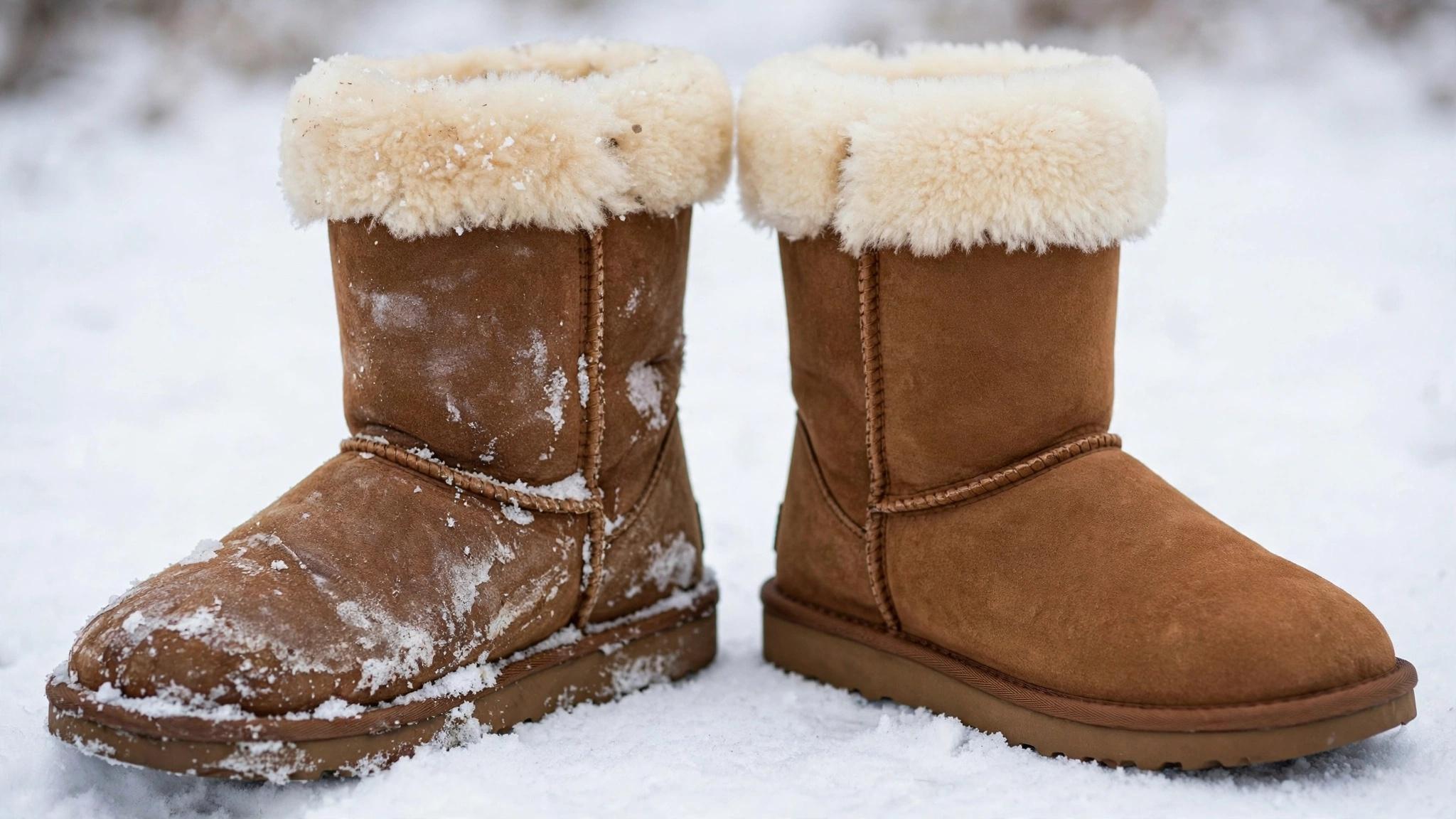
Inspect after snow exposure
Check the toes, seams, and lower panels after winter wear. This illustration is not a documented cleaning result.
Know Whether Your Boots Are Made for Snow
A warm boot is not automatically a waterproof boot. Traditional sheepskin styles may be comfortable in cold, dry conditions while still absorbing moisture from slush or wet snow. Water can also enter through seams, the opening, or the join between the upper and sole. A protective spray can improve resistance to everyday splashes, but it does not turn an ordinary sheepskin boot into sealed winter footwear.
Check the model description for waterproof construction, intended weather conditions, and sole traction. For prolonged snow exposure, deep slush, or icy routes, choose footwear designed for those conditions and change into your sheepskin boots when appropriate. This is often the most effective care decision of the entire season. No cleaning method can compensate for repeatedly using absorbent footwear in conditions beyond its intended use.
Inspect and Prepare Before the First Cold Spell
Start with a dry pair under good light. Look around the toe, heel, stitching, and sole edge for old marks, loose threads, or separation. Check the inside for dampness and compacted debris. Photograph any existing stains so you can tell whether cleaning has helped without relying on memory. If a seam is opening or the sole is separating, arrange a repair before snow and grit find their way inside.
Collect a suede-safe brush, a clean white cloth, plain absorbent paper, and a cleaner approved for sheepskin. Keep tools used for greasy shoe polish separate. A brush contaminated with black polish or wax can stain pale suede immediately. Before using a new product, test a concealed area and let it dry completely. Judge both the color and the texture; a test is not finished while the material is still damp.
Build a Quick After-Wear Routine
When you come indoors, gently remove loose snow before it melts into the upper. Blot visible surface moisture with a clean absorbent cloth instead of rubbing. Set the boots upright somewhere with normal room-temperature airflow. Keep them away from damp coats, muddy shoes, and the puddle on the entryway mat. A dry tray or shelf makes it easier to notice whether the soles or uppers still need attention.
Once the exterior is dry, brush away loose dust with light strokes suited to the nap. Work carefully around seams and decorative details rather than scrubbing across them. Daily attention does not need to mean daily washing. Most wear days only require removing loose contamination and allowing moisture to escape. Save wet cleaning for actual dirt and stains so that each treatment serves a purpose.
Clean the Suede Exterior Without Saturating It
Read the cleaner instructions before beginning because foam, liquid, and kit products can have different methods. Remove loose dry dirt first. Apply the recommended amount to the specified cloth, brush, or sponge rather than improvising with a heavy pour. Work gently, paying attention to how much moisture the suede is taking up. Avoid aggressive rubbing on one small spot, which can create an obvious change in texture.
If the product calls for treating an entire panel, work evenly from seam to seam. Repeatedly soaking only the center of a mark can leave a new outline as the area dries. Remove cleaner residue as directed, using clean sections of your cloth. Do not immerse the boot, flood the lining, or hold it under a running tap. Check the result only after natural drying; wet suede often looks darker than it will when dry.
Deal With Road Salt and Slush Promptly
Roadside snow is rarely just frozen water. It can carry grit, road dirt, and deicing residue that collect along the lower boot. A pale tide mark may become more obvious after drying. Remove loose surface particles gently, then use a sheepskin-compatible cleaner whose instructions cover the problem. If you are unsure whether a white mark is salt, old cleaner, or damaged color, avoid repeatedly treating it as the same stain.
Household vinegar mixtures are often suggested online, but concentration, dyes, and leather finishes vary. There is no need to make an improvised acid treatment your first choice on expensive boots. A suitable commercial method with a patch test gives you more control. Stop if color transfers unexpectedly, the surface becomes rough, or the stain spreads. Older salt damage may need a footwear specialist, and cleaning cannot always reverse permanent discoloration.
Dry Slowly and Preserve the Shape
Blot moisture, then loosely support the boots with plain, unprinted absorbent paper. Avoid packing the toe so tightly that it stretches or distorts. Replace paper if it becomes damp and keep the opening accessible to air. Set the boots in a ventilated indoor spot away from radiators, fireplaces, direct sunlight, and hot-air vents. Check the lining as well as the exterior before deciding they are ready to wear again.
Allow as much time as the boots need rather than rushing to meet the next outing. UGG's care guidance supports natural drying away from direct heat, with care products used according to their instructions. A dry-looking surface does not prove that a thick lining is dry inside. If winter wear is frequent, rotating footwear gives each pair a proper recovery period and reduces the temptation to use a hair dryer or tumble dryer.
Restore the Nap After Drying
Suede gets its soft appearance from its raised surface fibers, called the nap. Cleaning can leave them lying in different directions, creating patches that resemble stains. When the boots are fully dry, use a clean suede brush gently to bring the surface into a more consistent direction. Start with the least aggressive tool and pressure. Heavy brushing can abrade the surface instead of making it look fresh.
A suede eraser may help with selected dry scuffs if the boot maker and tool instructions permit it. Use small, light passes, remove crumbs, and check progress frequently. Do not treat worn-through suede as a mark that needs more force. Compare both boots in the same light before doing another cleaning cycle. Some differences are normal variation in the material or nap direction, rather than dirt that remains to be removed.
Apply Protection Before the Next Outing
Only apply protector to a clean, fully dry surface, and first check compatibility with sheepskin and any trims. Work in the ventilation conditions specified on the label. Aim for an even application rather than soaking the toe or heel. Protect the surrounding work surface and avoid unnecessary overspray onto the lining. Let the treatment dry and cure for the complete time stated before wearing the boots outside.
Leather Hero's Suede Protector Spray product page specifies even spraying from six inches away and a 24-hour drying period. Follow the current bottle instructions if they differ. Reapplication should reflect the product guidance, cleaning history, and actual wear; it is not a daily requirement. Remember that protection helps with exposure management. It does not eliminate the need to avoid puddles, remove salt residue, or dry wet boots carefully.
Keep the Wool Lining Fresh
The inside deserves attention even when the outside looks clean. Let the opening air after wear and remove loose debris without pulling at the wool. If an insole is designed to be removable, follow its separate care instructions. Do not pull out a bonded liner or assume the whole boot can be washed because the insole can. Check for dampness around the heel and toe where air may circulate less freely.
For odor, begin with complete drying and footwear rotation. If using a deodorizer, choose one approved for the lining and remove excess as directed before wearing. Avoid soaking the wool in fragrance sprays or pouring household powders into seams. Persistent mustiness, visible mold, or a lining that remains damp deserves further investigation. Masking the smell without solving retained moisture leaves the underlying problem in place.
Choose the Right Leather Hero Products
The Leather Hero Suede & Sheepskin Cleaning Kit is the relevant starting point for this material. Its product page lists a foam cleaner and conditioner, protector, deodorizer, eraser, brushes, and cloth. Review the current instructions for each component instead of treating the kit as one product with one universal application method. Cleaning, brushing, protection, and interior freshness are separate tasks with different timing.
For boots that are already clean and only need compatible weather protection, review the separate Suede Protector Spray linked below. Smooth-leather creams, recoloring balms, and heavy oils are not substitutes for suede products. They can change the appearance and flatten the nap. Product choice should follow the boot material and condition, not the fact that everything is broadly described as leather care.
Make Care Fit Your Winter Schedule
Place a brush and clean cloth near your footwear storage so small jobs are easy to complete. After a dry outing, inspect and brush if necessary. After a wet outing, prioritize blotting and drying. After contact with salted slush, inspect again once dry and address residue using the approved method. Schedule more involved cleaning when you can leave the boots unused until the work and drying are complete.
At the end of the season, clean as needed and make sure both the lining and upper are fully dry. Support the shape lightly and store in a cool, dry place with breathable protection from dust. Avoid compressing the shafts beneath other shoes or closing damp boots in plastic. A quick inspection before storage also gives you time to arrange repairs before the first cold morning of next winter.
Conclusion
Caring for sheepskin boots in snow season comes down to suitable footwear choices, gentle cleaning, patient drying, and compatible protection. Remove snow and loose dirt promptly, handle salt marks carefully, and keep direct heat away from damp sheepskin. Use the linked suede and sheepskin products only after checking the label and testing a hidden area. Consistent small actions help preserve the soft texture and comfortable fit that make these boots a winter favorite.
Match the product to the leather type, finish, and condition, then test it on a hidden area before full application.
Leather Hero Care Note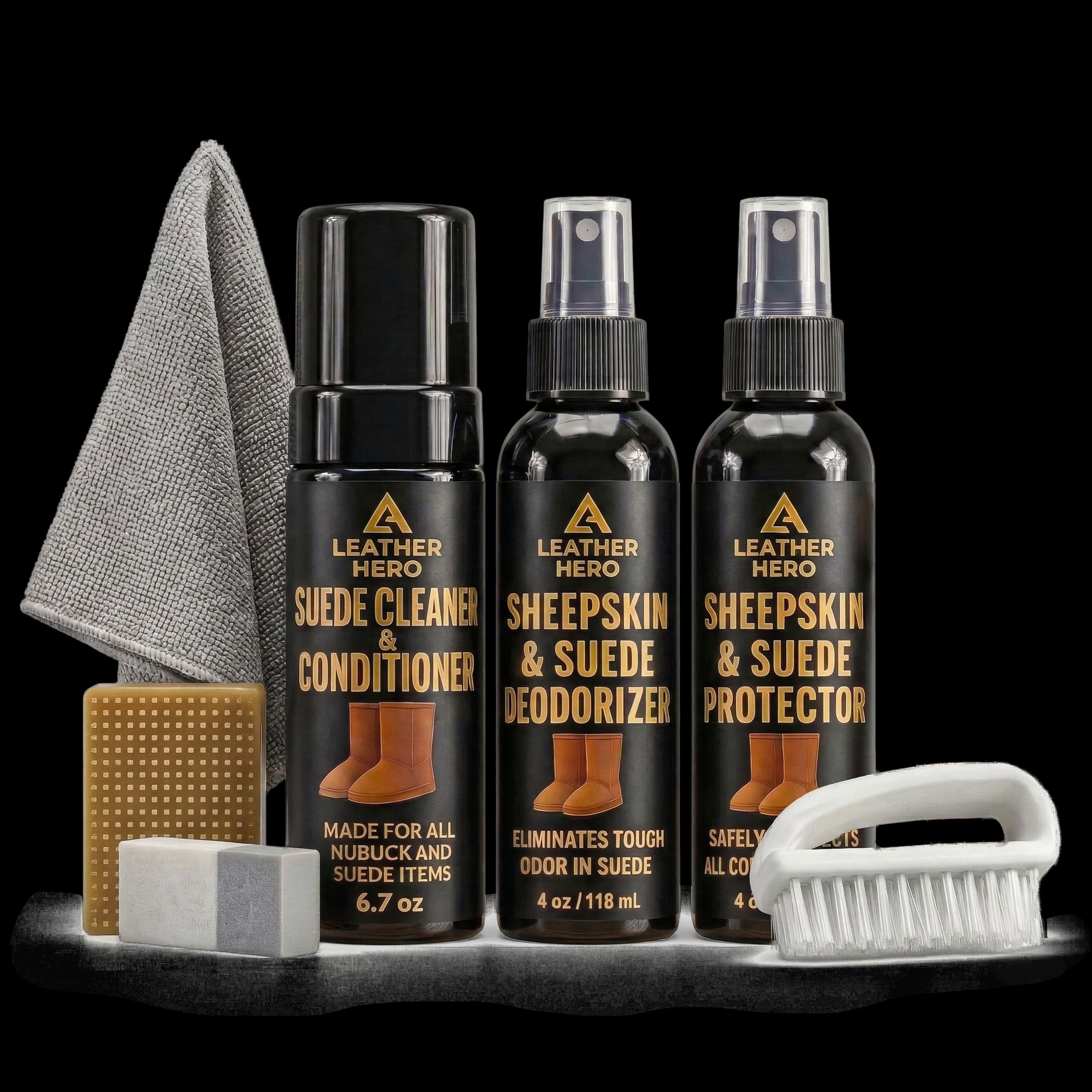
Recommended Product
Leather Hero Suede & Sheepskin Cleaning Kit
A focused product pick for the restoration steps in this guide.
Helpful References
Frequently Asked Questions
Can I wear sheepskin boots in snow?
Check the model. Traditional suede sheepskin boots are not automatically waterproof and may be unsuitable for slush or prolonged snow exposure. Choose footwear with appropriate waterproof construction and traction for the conditions, and use sheepskin boots within the limits stated by their maker.
Can I put sheepskin boots in the washing machine?
Do not machine wash unless the manufacturer explicitly allows it for that exact model. A boot combines an upper, lining, seams, adhesives, and a sole, which may react differently to immersion and agitation. Follow the recommended hand-cleaning method or consult a footwear specialist.
Does suede protector make boots completely waterproof?
No. A compatible protector can improve surface resistance, but it does not seal every seam or change the construction of the boot. Water can still enter through openings or during prolonged exposure. Avoid treating protection as permission to walk through puddles or deep slush.
How often should I clean and protect winter boots?
Inspect after each outing, remove loose contamination when appropriate, and wet-clean only as needed. Reapply protection according to the product directions and wear history. Allow complete drying between stages; repeated heavy treatment is not a substitute for choosing suitable footwear for wet weather.
Can I use leather cream on suede sheepskin boots?
Do not use a smooth-leather cream unless it is specifically approved for your boot material. Creams and oils can darken suede or flatten its nap. Choose a sheepskin-compatible cleaner and protector, patch test, and assess the fully dried result before treating the whole pair.
Join The List
Leather Care, Delivered.
Get expert guides and exclusive offers in your inbox.